

Need some quick kimchi? Or can’t find napa cabbage where you are? Try this kimchi recipe made with a head of your normal green cabbage. It’s light, crunchy, and refreshing!
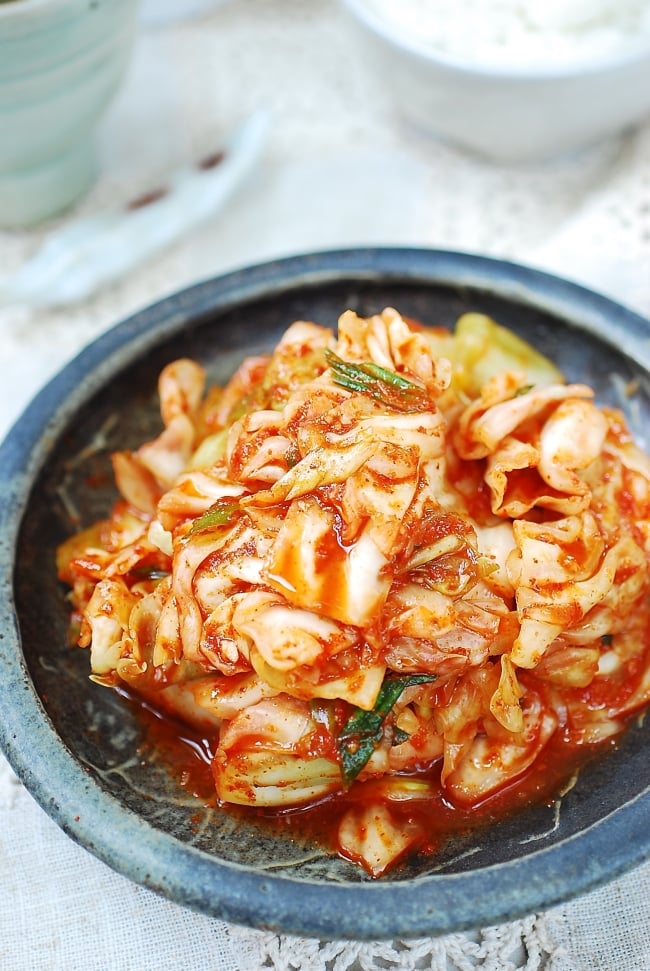
When napa cabbages are not in their prime season during the warm months, green cabbages (called yangbaechu in Korean, 양배추) come in handy for making kimchi. Great for kimchi beginners, this yangbaechu kimchi recipe is a good alternative if you can’t find napa cabbages at your local groceries or need a quick kimchi.
The Korean name for green cabbage, yangbaechu, actually means Western cabbage. Green cabbages are healthy, naturally sweet and crunchy, which makes it a good vegetable for kimchi.
This recipe was originally posted in July 2011. I’ve updated it here with new photos, more information, and an improved recipe.
Unlike napa cabbage (baechu, 배추), you don’t need to salt green cabbage for very long. All you need is about an hour or two to soften the cabbage and bring out the flavors. The salting time varies depending on the cabbage and the salt.
Salting the green cabbage
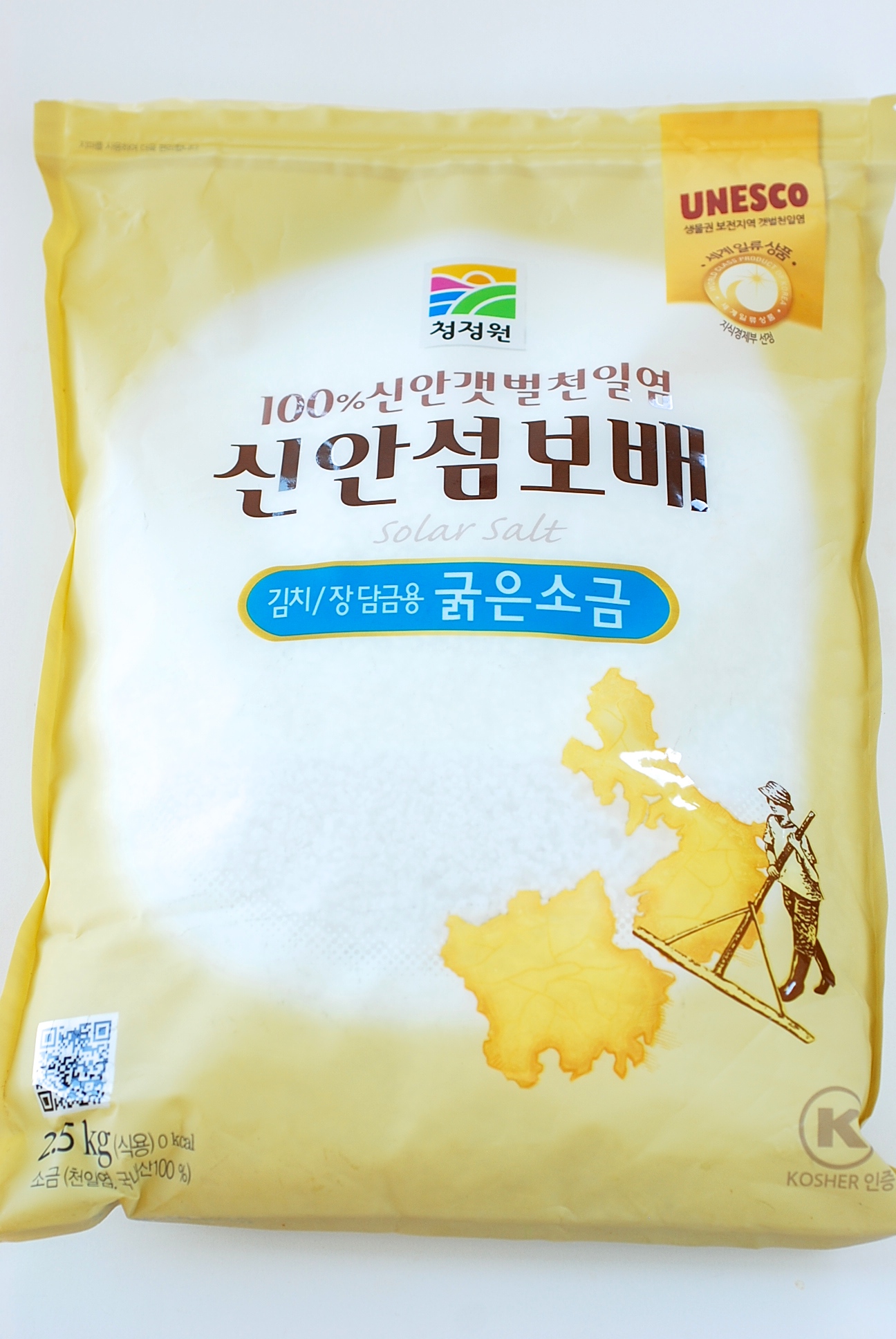
Koreans use coarse sea salt (aka Korean brining salt) for salting vegetables to make kimchi. It’s natural salt with a coarse texture that was minimally processed. However, if Korean sea salt is unavailable, use your normal kitchen salt. If using finer salt, you’ll need to use less than what’s called for in the recipe.
Yangbaechu kimchi seasonings
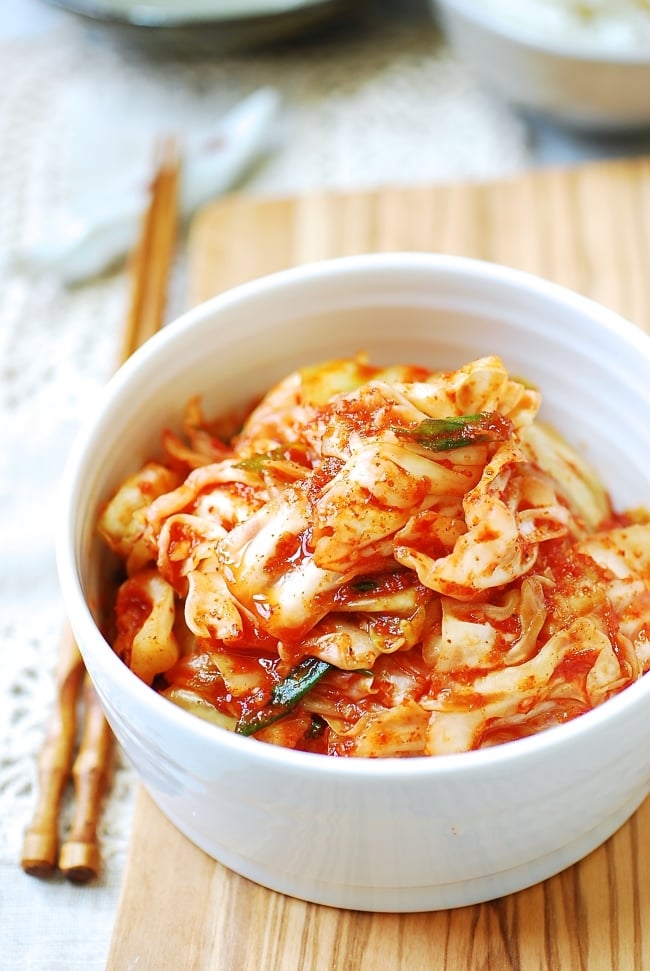
While Korean red chili pepper powder (gochugaru, 고추가루) is indispensable for authentic kimchi, this yangbaechu kimchi is a good kimchi for you to experiment with other types of chili pepper powder available to you. Some readers have reported a success with their substitution. Also, if your chili pepper powder is extremely spicy, puree some red bell pepper (or mild fresh red chili peppers) with a little bit of water and mix it with your chili pepper powder. It’ll give the kimchi a bit more red color and flavor.
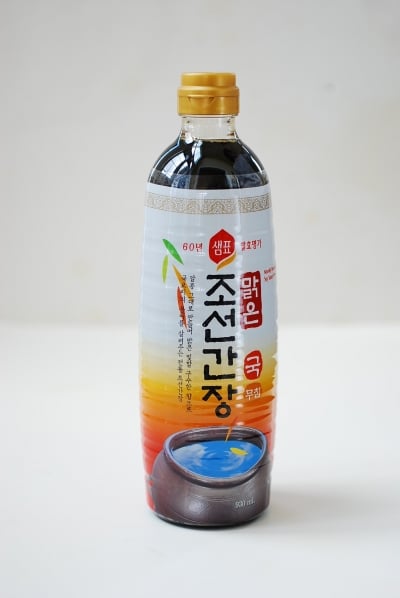
For a deliciously savory flavor, I used salted shrimp (saeujeot, 새우젓) in this recipe. Use fish sauce instead if preferred. For vegan kimchi, Korean soup soy sauce (guk ganjang, 국간장) is a good substitute. Many years ago while visiting my son who was in Berlin, Germany, at the time, I made this kimchi without any of these ingredients, and it was still very good!
Yangbaechu kimchi is one of my mother’s favorite summer kimchi varieties, so we grew up eating it a lot. She would tell me not to use a lot of seasoning because this kimchi should be light and refreshing. However, feel free to increase the amount of gochugaru or salted shrimp (or fish sauce) to season the kimchi a bit stronger if preferred.
How to store yangbaechu kimchi
Keep the kimchi out at room temperature for a few hours or overnight before storing it in the fridge. You can start eating yangbaechu kimchi right away, but it’ll taste better over a couple of weeks in the fridge. Because it’s lightly seasoned, it’s best consumed within 3 to 4 weeks.
For more Korean cooking inspirations, follow along on YouTube, Pinterest, Twitter, Facebook, and Instagram.
Ingredients
- 1 head green cabbage, 양배추 (about 2.5 pounds)
- 4 tablespoons coarse sea salt less if using table salt, about 3 tablespoons)
- 3 scallions roughly chopped
- 1/4 cup Korean red chili pepper flakes, gochugaru (고추가루) (add 1 more tablespoon for spicier kimchi)
- 3 tablespoons salted shrimp, saeujeot (새우젓) finely chopped, (or fish sauce)
- 1 tablespoon sugar
- 1 tablespoon minced garlic
- 1/2 teaspoon grated ginger
Instructions
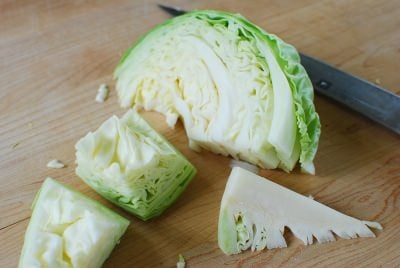
- Remove tough outer leaves of the cabbage if any. Cut the cabbage head into quarters and remove the core from each quarter. Cut each quarter into bite-sized pieces (about 2-inch squares). Rinse the cabbage and drain.
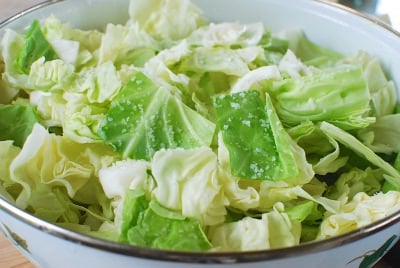
- Place the cabbage in a large bowl. Dissolve the salt in 2 cups of water, and toss well to coat evenly. Leave it for an hour or 2 until the cabbages have softened, flipping over once or twice halfway through or every 30 minutes. Rinse the salted cabbage once, and drain to remove excess water.
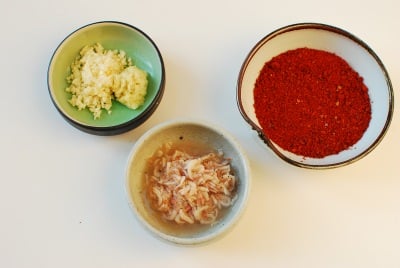
- Mix the chili pepper flakes (gochugaru), saeujeot, sugar, garlic, and ginger with 1/2 cup of water.
- Add the chopped scallions, the gochugaru mix, and 1 cup of water to the salted cabbage.
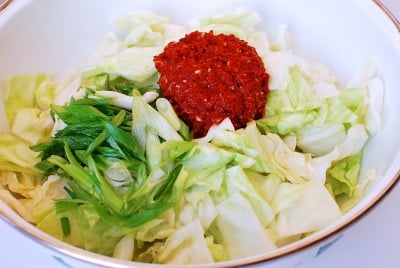
- Using a kitchen glove, mix everything well by hand until the cabbage pieces are well coated with the gochugaru mix.

- Place in an airtight container or a jar, pressing down hard to remove air pockets. Leave it out in room temperature for half a day or overnight. Then, refrigerate.


















Janeen Heller says
We have no access to napa cabbage to the small town I live in but I love kimchi. This is my go to of course. It’s easy, delish, and you can easily add or alter it. Thank you
Evan W Wollak says
Hello, I was wondering if there is a kimchi recipe with green cabbage that is not very spicy. I have health issues that will not let me have real spicy food. My friends husband is from Korea and loves spicy kimchi but he can not eat it either so I am looking to make some that we can all eat. I have never made Korean food before so any additional tips would be greatly appreciated.
Thank you for your help.
Evan
Cheryl Halfhill says
I’ve been making kimchee for a long time using nappa cabbage, cucumbers, or daikon radish. I grow my own green cabbage and always wanted to try making kimchee with it. The cabbage will be ready to harvest in a couple weeks and I’ll be making a lot of kimchee because I have many friends and family members that like it too. We also grow onions and garlic so it will be fresh from the garden!
Hyosun says
Sounds great! Nothing is better than the veggies from your own garden. Enjoy lots of kimchi!
Barbara says
One of the best kimchi I‘ve ever tried. Thanks for sharing. All the Best from Nuremberg/Germany.
Hyosun says
Great to hear that! Thanks!
RobertB says
I make sauerkraut and was wondering if the same process (but chopped into larger pieces) would work for kimchi. Instead of salting, rinsing, and draining the cabbage (as must be done with Napa cabbage because it has so much water), add 1.5 to 2% by weight salt to the vegetables and then pack into jars. Or for kimchi, maybe 1% to 1.5% salt because of the salt in the fish sauce. I may have to give it a try…
I can find gochugaru at my local Asian markets, but it’s all product of China instead of Korea. Is it still the right stuff? It has the right bright color and is available in coarse grind.
For those looking for a vegetarian alternative to fish sauce, I think MSG should work but I have no idea how much to use — but if you try it don’t use much.
Mihai says
Hi Hyosun,
Both Korean cabbage kimchi and green cabbage kimchi have now become a staple in our kitchen, in no small part thanks to you. We almost never run out, as we are making a new batch well before the previous one gets finished.
We always wondered about red cabbage kimchi but we were never adventurous enough to try and make it. Have you ever made red cabbage kimchi? If not, would you have any advice for us on how to make it? I would imagine something must be done slightly different as red cabbage is significantly tougher than green round cabbage. Maybe keep it in salty water for a longer time? Or any other advice?
Thanks a lot in advance for any pointers.
Joshua M. says
So I used your recipe, and did everything. But I seem to have two issues with how it turned out. (I am asking so that later I can potentially make it correctly) firstly there was significant amounts of discoloration instead of the white with the red tone, there was also a brown, so I’m assuming it’s from the cabbage and the chili making it brown. But it also never fermented. Was it the container I used? Is there a way I can salvage what I have?
Hyosun says
hmmm this is very strange. There are no ingredients in this recipe that would cause those. Can you tell me what types of salt, gochugaru and saeujeot you used? How long has it been since it was made? Also send me a photo to [email protected]. It’s hard for me to tell what’s going on without more info.
Sophia says
This recipe works great thanks! We have a farm and grow our own veggies and I always have too much to use right away even with selling some at the market
I love kimchi and a lot of other Korean food, you have great recipes!
I have used Nappa and regular cabbage and also Chinese cabbage and it worked for all of them . Used fish sauce in it and added some shredded carrots and a black radish
Jess says
Hi. Would you mind providing a link of the saeujeot you use? I’m having a hard time finding this in stores and when I look online there are dried and sauce varieties, so it’s very confusing. I don’t want the taste to be compromised because I got a wrong ingredient.
Thank you
Hyosun says
I buy mine from Korean markets around here, but don’t see the same ones on line. If you Google Korean salted shrimp or saeujeot, you’ll see several photos and some ads for on-line sale. Have you seen my Korean Pantry Seasoning Ingredients. I have a photo there as well. Hope this helps, but if you need additional help, please send me an email.
Paul Adare says
I just bottled my first batch of this and can’t wait to try it. I have a couple of questions:
1. There was a fair bit of water left in the bowl after I stuffed all of the cabbage in the jar. Is that to be expected?
2. How vigourously does this ferment? I’m using a 1.9 L mason jar and wondering if I should put a fermentation lid on it, or would just a normal mason jar work? If the latter, do I need to burp it occasionaly? I’m assuming that by keeping it in the fridge it will ferment slowly.
Thanks!
Hyosun says
It can happen, depending on how well it’s been drained and the liquid ingredients used. Absolutely fine. A normal jar is fine. And kimchi should be kept in the fridge after a day to 2 depending on room temperature and how fast you want it to ferment. Fermentation will slow in the fridge.
Paul Adare says
Perfect, thanks so much. It smells divine, can’t wait to try it!
Rod McGregor says
Hello Hyosun! My wife and I have been intrigued by kimchi for a long time and we enjoy Korean street food programmes on TV. So here goes! My green cabbage is soaking in the salty water and I’ve made up my red chili paste. No local equivalent to Korean Red Pepper Flakes here in our Eastern Province of South Africa so I’ve blended the garlic, ginger and sugar with some ghost naga chilies and a bit of cayenne pepper. It tastes pretty wild but does have a smoky nuance to it, so hold thumbs. Thanks for your efficient style of explanation. So many recipe sites bore the pants off you and seem never to get to the blinking recipe. Well done! I’ll post again in a couple of weeks when out little red devil has had a chance to work its magic!
Hyosun says
Thank you! So happy to hear you’re trying kimchi with local ingredients. Sounds great! Hope it turns out well for you.
Tessa says
I plan to try this recipe soon, my first time making kimchi. I’m wondering about storing it? I want to buy some glass jars to keep kimchi in. How much would you say this recipe yields? Would it fill 3 500ml jars for example?
Hyosun says
Try to get larger jars for kimchi. You can use a 1/2 gallon jar for this (or 2 32 ounces jars).
Irene says
This is absolutely amazing! It has become our go-to recipe for kimchi. Thanks so much for sharing!
Hyosun says
Awesome! Thank you for letting me know!
Evelyn Risse says
I am so glad I found this recipe! I have been wanting to make kimchi but Napa cabbage is hard to find. I’ve watched a lot of videos, there are tons on YouTube! There was one that used the outer leafs you usually throw away as a topper to the jars to keep the kimchi down below the juice line. Thought I’d share, if someone else commented this, sorry for the duplication!
Brendan Dawson says
I have tried several recipes for Kimchi, with varying degrees of success, this has been my best yet.
I used sweetheart cabbage as I have found it very tasty in coleslaw. I have filled two 2Ltr mason jars using 5 sweetheart cabbages approx 2.5lbs of cabbage in each jar, the other ingredients I increased proportionally. Great everyday treat, I keep at least one fresh jar on the go.
Thanks
Hyosun says
So happy to hear that! Enjoy!
Fanny L Sloan says
nice, I just bought green cabbage and did not know if I could make kimchi with it. I usually shop at chinese/korean markets but I am a little far and did not want to drive. My market had the napa cabbage at $3.00/lb. Maybe for north americans, but I refuse to pay double because it is “ethnic”. Iam going to make kimchi with the green cabbage, I like your recipe. I am from Argentina and live in Weschester, NY, and I cook international “everything”. Most of my friends, when they come for dinner, have to be explained what they are eating, hahaha!!! They are sometimes a little scared to try anything new. Thank you for your recipe
Kisaq says
Hello:
We grow our own cabbages, and I used this recipe last year for my first attempt at kimchi. It was wonderful! This year I’m doubling the volume and have two questions:
a) Would all the quantities be linear? That is, for twice the desired kimchi, just double everything? Or for instance would that be too much salt (if it’s just a catalyst for softening), or too much sugar (if it’s just a fermentation ‘starter’ and then our cabbage (which is so sweet) takes over with its plant sugar).
b) As a shrimp substitute in the recipe, what’s the relative measure of fish sauce I should use? A teaspoon? Tablespoon? Quarter cup? It isn’t mentioned how much in the recipe. Last year, on the advice of a friend’s Korean mom, I was told to go easy as she didn’t want it to be ‘too fishy’ for us. I think I used maybe a 2/3 a tablespoon total for your exact recipe, and while you could taste the fish flavor, it was a nice flavor and not overwhelming at all. This year I’m going to make three batches…one w/ the Vietnamese shrimp fish sauce I used last year, and also two other batches using different brands of Korean anchovy fish sauce. So many options! What fun! But that still leaves the question of ‘how much?’. Next year I may get up the courage to toss raw shrimp in there, but for now, easy does it!
Thanks SO MUCH for this GREAT recipe that so many here have enjoyed!
Hyosun says
Hi Kisag! Pretty much linear, but there’s a room for a little less – sort of economies of scale. Sugar surely helps with fermentation and balance out the flavors, but you can reduce or omit if you want. I’d say the same amount of fish sauce as salted shrimp if it’s Korean fish sauce, but it’s a matter of preference. Southern regions of Korea use much more fish sauce than the other parts of the country. That Korean mom’s right though. Fish sauce is quite pungent. Not sure about the salt level of Vietnamese shrimp fish sauce but it sounds great!
Priyanka says
Hi,
I will be trying this recipe for the very first time :- )
Do i have to use vinegar also ?
i don’t have fridge in my place. so can i keep the jar in normal temperature and for how long i have to keep it ?
Hyosun says
no vinegar in the recipe. It will get sour fast if not refrigerated, but hard to tell how long you can keep. All depends on room temp.
Larry says
Great recipe! One criticism about the instructions: It would be helpful if there was a reminder to drain the cabbage before adding the spice mix. By the time I got to the end, I forgot to drain the cabbage. My kimchi is so watery! :/
Hyosun says
hmmm step 2 says “Rinse the salted cabbage once, and drain to remove excess water.” Maybe next time I make this I’ll take a photo of draining the cabbage and make it a separate step to make it more obvious. However, I bet kimchi is very refreshing with more liquid. Sometimes, this kimchi is made intentionally watery close to water kimchi for refreshingly cold kimchi broth that’s nice summertime. Thank you for the feedback!
Racquel says
Hi hi. Can I use cayenne pepper instead of Korean red pepper flakes? NOWHERE in my city sells it. So sad… I’ve been wanting to make kimchi for a while but the whole napa cabbage and pepper flakes thing has been stopping me.
Hyosun says
No, it won’t work. Have you tried on-line sources?
Luna Woo says
I think it is being overly picky to say it won’t turn out. I live in Mexico and have no access to Korean chilies or chili paste. However, I do have access to chile de arbol and a fabulous chile de arbol salsa that a chef friend of mine makes. I have used it successfully to make kimchi. Does it taste different? Probably, but it’s better than no kimchi at all!
Mari says
Uh it’s her recipe and her recommendation. She’s definitely in her right as a Korean cook to say cayenne pepper won’t turn out similar to what she does. Of course one can substitute but as the author she can say no if she thinks it’s too different. We’re guests here, best to be polite and not explain kimchi to an authority in Korean cuisine.
Glad your chili cabbage pickle turned out but that’s not kimchi.
Cinde Schweitzer says
This is now my go to recipe for kimchi forever! So easy, delicious, and crunchy. Love how subs are encouraged and did I mention the ease?? TYVM! Love love LOVE this recipe.
Hyosun says
Yay! Awesome to hear that!
Faith Bokros says
can you use GO-Chu-Jang instead of Korean red chili pepper flakes? Or can use just use red pepper flakes instead? I have both or should I get the gochugaru? Please let me know. Thanks and will try this since we have grown a lot of cabbage this year.
Hyosun says
For authentic taste of this kimchi, gochugaru is a must. So yes I recommend you get gochugaru if possible.
Sara Kinjo-Hischer says
Hi first time kimchi maker but kimchi eating expert! The second step after its soaks with salted water it says to rise and drain. Did I read that correctly? I followed the rest of the steps but wanted to be sure that there was enough salt in it to make it safe still even after rinsing.
Hyosun says
If you salted the cabbage until it was bendable, the cabbage has enough salt. If you don’t wash the cabbage leaves well (typically 3 times), your kimchi will be too salty.
Tina says
The cabbage and radishes (I had in the fridge) are now taking their salt bath – I added carrot matchsticks after it had been already sitting a bit. I plan to use cayenne and two kinds or red pepper flakes – one savory and one spicy. Hope it turns our well! I’ll rate later.
AR Cro says
I’d be interested to know how this turned out since your ingredients listed other than the cabbage aren’t included in the original recipe. Was it just a spicy slaw or did it taste like kimchi?
J Randall says
Is it possible to make kimchi with red cabbage? I don’t know the differences well enough to know if it would still ferment and have the right flavors.
Hyosun says
Yes it’s possible although it’ll obviously have different flavors.
Lisa says
How long will this keep in the fridge once fermented?
Laura says
This I want to know as well. How long will it keep for?
Hyosun says
The kimchi will taste best up to 3 weeks, but will keep a little longer than that. This is not made for months of storage.
Mary says
Is there a common US replacement for gochugaru that I might already have at home?
Hyosun says
There’s no true replacement for gochugaru, but please read the body of post for more.
Luna joshi says
I tried making kimchi using the given recipe. It turned out absolutely amazing but my only concern is it didn’t release excess liquid and I had read somewhere that the kimchi needs to be submerged in the liquid otherwise it might go bad.
Hyosun says
That’s really not true. There are many different types of kimchi. Unless made to have lots of liquid (water kimchi type), kimchi doesn’t usually have that much liquid for the vegetables (cabbages, radishes, etc.) to submerge.
Alex says
I just checked my kimchi after making it last night and it didn’t seem to ferment at all. No bubbles, no gas in the jar. I followed the instructions, so I’m not sure what went wrong. Are there any ways to save this or is it straight to the compost?
Hyosun says
If you just made it last night, it’s going to need more time too ferment.
Chelsea says
Is it possible to use a sugar substitute like monk fruit or is the real sugar necessary for fermentation?
Hyosun says
Sugar can be omitted. You can use a fruit as a sugar substitute.
Sawyer says
This recipe is getting me through quarantine! As I live far away from Asian grocery stores, I desperately needed a recipe with accessible vegetables to make my own kimchi. I tried this several weeks ago and was super happy with it. I just made my second batch this weekend.
I use less fish sauce and add some soy sauce, but that’s just personal preference. For the first couple weeks it tasted good, but still a little “cabbagey.” It wasn’t until about 3 weeks into fermentation that I got that nice sour flavor. It was, of course, worth the wait!
Thank you!
Daisy says
Dear Lady
Great thanks to your recipes, I did made some Korean delicious dishes to my family and friends. But for the kind of kimchi, because I have never enjoyed it so I wonder if my result come true or not.
After 4 weeks inside the refrigerator, The taste is fresh and spicy and salty, not sour like other kimchi. Not sour at all. Even the recipe was followed carefully, I kept the kimchi overnight (10 hour) at room temperature (around 15-17 degree C) before storage into refrigerator.
So is the taste right? or it must be a little sour? Please.
If I want alittle bit sour, can I keep it at room temperature now?
Thanks for your soon reply.
Hyosun says
It should be a little sour by now. Yes, you can definitely keep it out at room temp now until it turns sour. Kimchi takes longer to ferment depending on the salt level and temperature, but 4 weeks sounds way too long. Hope this helps.
Jamie says
I love Kimchi. But, I have to eat a no salt diet. Is there a way to make it salt free or very low sodium?
Hyosun says
How about making it like salad with very little salt? You can do that with all sorts of veggies, such as this green cabbage, cucumbers, green onions, radishes, and other green leafy vegetables. Salt is necessary if you want to keep it more than a few days and ferment. Hope this helps.
Levi Irys says
What is the substitute for the shrimp or fish sauce coz I have none and I need to eat kimchi badly
Hyosun says
There’s really no real substitute for those, but you can try to use a little bit of soy sauce to add some umami. Korean soup soy sauce is better if available. Otherwise, simply use more salt to season.
Wish says
Hi! Such a great and easy recipe! I will be making this soon. Can i add other vegetables?? I saw cucumber somewhere and would love to have that!
Gayle Davis says
I have made my kimchi with carrots, cucumbers, radishes, baby corn, several different types of veggies. I do not keep them long. I make small batches so they are eaten in a short time frame. There are several cookbooks of kimchi making. Might consider looking into one. I have one, which I was given in Korea, and there are so many different recipes for kimchi. Good Luck, and have fun making kimchi.
May says
I followed this recipe but with fish sauce, and added pears and radish. It came out so good, after coming from long summer holidays it was left in my fridge for over a month, it tasted a lot sour and less spicy, but it smell more pungent. I will try making it again, thanks for this wonderful and humble recipe.❤️
Shirley says
Mmm. My daughters love ANY kind of Kimchi – I love the cabbage you’ve used as alternative to the nappa- I definitely going to try it.
Thanks 🙏🏽- I enjoy your website
Hyosun says
Thank YOU!
SeanM says
Hello, I just made this kimchi but didn’t have Korean chili flakes but did have Korean chili paste so I tried to adjust my measurements. I didn’t have 3 scallions so I added a small shallot.and 2 green onions. I am leaving it overnight and will see how it goes. It already tastes good before fermentation. Thank you for the great recipe
Eric says
I didn’t see saeujeot at the market so I got mam rouc bun bon hue, which is Vietnamese. I’ve had great kimchi with salted shrimp but not sure of what I bought matches that taste. Do you have any experience with the Viet version? It tastes / smells like the meat you suck out of a large shrimp…almost beefy and pungent. It’s fermenting now so I may have my answer tomorrow when I taste it. But starting to wonder if I should hit other Asian markets for the real thing.
Lisa says
hi,
Ive never eaten kimchi and swasnt sure how it should taste, but tried making it anyway. I had a couple of doubts
1. How long should i keep it to ferment in room temp. and in the refrigerator before i can use it, considering that i live in Kerala(India), where its hot nd humid during this time of the year??
2.Is it okay if some gap is left in the top part of the jar,or should it be filled to the brim, because u. mention not to leave any air pockets.
Thank you
Elizabeth says
hi,
This is my first time with kimchi, and I haven’t eaten it before either, so I’m not really on how its supposed to taste. so I had a couple of doubts :
1.How long should I keep it to fermented in room temp. and in the refrigerator, considering I live in Kerala(India) where it’s comparatively humid nd kinda hot.
2. Should I leave some gap in the jar for the gas to form or should I fill it to the brim?
Sushma joshi says
Hello,
I have attempted this recipe just now with half a head of cabbage and adding water two times later made it very watery. I see everybody else saying that it is dry. I have adjusted the measurements according to the size of cabbage. Is extra water OK?
If I have to drain it slightly then what can I do with the water?
Thank you,
Sushma
Hyosun says
Extra water is okay. It probably diluted the seasoning, which is okay. The cabbage will release liquid as it ferments, so it doesn’t need all that extra water when making it.
Joanna says
It will be my first kimchi experience and i have Gochujang paste. What are the proportions for this recipe?
Mariyah says
I followed this recipe and made kimchi first time in my life yesterday, with round cabbage and fish sauce, I added shredded pears and radish, today I tasted the small amount which didn’t fit the big jar for fermentation, it was spicy but it’s so good😋. I can’t wait for my big jar to ferment🤩
Sarah Taaher Bonna says
Hello Hysoun imo and everyone! Yesterday I tried making kimchi. I followed the recipe till the salting step ( I salted for 2 hours). After that, I used a kimchi base I found at a store. I left it on my kitchen counter overnight in a covered container. This morning, when I tasted the kimchi, it tasted bitter. Any ideas why and how I can fix this? Thanks.
Hyosun says
Green cabbage is sweet, so I’m not sure where the bitterness came from. It could be the salt you used or something in the kimchi base. The bitterness may decrease as the kimchi ferment and develop flavors. However, you can try to add some sugar now to balance it out if you want.
Christian says
I see three kinds of green cabbage at the market.
Regular round-head green cabbage, with smooth leaves.
Broad, flat-head cabbage that is very pale green, almost white.
Savoy cabbage, round head with dark green curly leaves.
What kind of green cabbage do you like to use for this recipe? Thank you!
Hyosun says
Where do you find broad, flat-head cabbages? They are available at Korean markets around here. I’ve made this kimchi with both regular round-head and flat-head cabbages. Flat-head ones are tenderer and sweeter, while normal regular ones are a bit peppery and crunchier. Try with both types and see which one you like. I haven’t tried making kimchi with savoy cabbage, but I’m thinking it may be too tough for this kimchi.
Christian says
The Hmong farmers at the farmer’s market sell the flat cabbages. I’ll give them both a try. Thank you for the advice!
Nandhini says
Love the recipe.. and i have a jar of gochujang which i cant seem to use up.. can i use the gochujang in kimchi recipes? How will it change the taste?
Appreciate your help..
Chieko says
Sometimes, I like using just regular head cabbage. My recent batch consisted of cabbage, daikon, onion, green onion, ginger, Thai chile, habanero, Korean chili powder, gochuchang, garlic, salt, plum brine (from homemade umeboshi), fish sauce, shrimp paste, roasted rice flour, and some other ingredients. It was ready in 5 days. It probably helped that the daikon had already been lacto-fremented. Really like the texture and consistency the rice flour added. Really, really good! Thanks for your posts!
hbadger says
Hi, Hyosan. I became hooked on incomparable Korean cuisine while stationed on Oahu in the Air Force, and especially while on temporary duty in South Korea for 6 weeks. I have made many traditional types of kimchi and MOST of my family and friends love it. Dumb question on this recipe: Am I correct that one cup of water is used for the gochugaru mixture and that an additional cup of water is added afterward? Gamsahamnida!
Hyosun says
Thanks for sharing your story! Yes, you’re right about one cup of water for each step.
Will says
I live in a tropical country where every day is summer day? (30-33 degree celcius here) Do you think it’s okay to put my freshly made kimchi straight to the fridge? I’m afraid if I put freshly made kimchi in the room temperature it will be so sour.
Hyosun says
Yes you can put it in the fridge right away, but the first few hours (maybe 4 to 5 in your case) at room temperature should be fine. Enjoy!
Mellie says
I’m looking for a recipe for a dish served in my favorite Chinese restaurant. It was served as an appetizer alongside the regular kimchi. While the kimchi is salty and hot, this was sweet and didn’t have the peppers to make it red. It was green and also fermented. The owners of the restaurant retired, so I don’t even know what the dish is called. Can anyone point me in the right direction?
Michelle Landry says
Hi! I am about to venture into making my own kimchi. I love kimchi and prefer it to sauerkraut. I want to eat it for its fermented and nutritional value but I am surprised that you recommend leaving it out only for 24 hours. Some recipes for fermented foods say a couple to three weeks. Would you please elaborate, Hyosun. Thank you!
Hyosun says
It will continue to ferment in the fridge. You can start eating any time, but it will taste best after two or three weeks. If you leave it out too long, it will ripe and become sour very fast. Hope this helps.
Marcy says
I am so glad I found this recipe!
(but not sure if there is a simple print button on your site to just print out the recipe without all the rest of the “stuff on the page…at least I can’t find it.)
I simply can not stand Napa cabbage…absolutely hate the stuff no matter how it’s prepared and the hubs was just talking about wanting me to make some Kimchee….I will happily use this recipe and see how it turns out.
I might have to special order the chili flakes and salted shrimp as I live in the mountains of TN and I am positive that NO ONE in a 100 mile radius would be carrying what I need. Any suggestions on a good online source for those two things?
Rob says
Hyosun ssi, hello and thank you for posting so many delicious recipes! I’ve tried some Korean dishes and fell in love with their flavour, but didn’t get the chance to try kimchi. Unfortunately there are no Korean restaurants where I live and it’s almost impossible to find napa cabbage either. So I was excited to find your recipe for green cabbage kimchi and I tried making a batch. For the same reasons I mentioned before I didn’t use Korean pepper flakes but a local kind of pepper flakes, which are similar in consistency though. I know this will make it taste different but I hope the result is still good. I wanted to ask you a couple of questions about the fermentation process. Considering it’s winter time, I have kept the container at room temperature for around 3 days, then put it in the fridge. I have checked and tasted the cabbage everyday but since I’ve never tried kimchi before, it’s difficult for me to tell when it’s “ready”, that is, when it’s actually at a good degree of fermentation. I noticed that the smell has become more pungent and the taste has turned a little sour, and the cabbage has released water which has gotten a little bubbly. Also, every time I check it I usually press down the cabbage so that there’s as little air as possible inside the container, but only the bottom half of the cabbage layers is submerged in water, while almost half of the top layer is somewhat dry. Is this normal, or should the whole cabbage be wet? I see no mould on the top but I was curious about how it should look after 4-5 days. Thank you for reading my message and for your wonderful blog and sorry for the long post! 정말 감사합니다!
Hyosun says
Hello Rob – It’s great to hear you’re trying to make kimchi with whatever the ingredients you can find in your area. From what you’re describing, it sounds like everything is going well and your kimchi is ready to be eaten. This type of kimchi does not have enough liquid for the whole thing to submerge in water. It’s normal. It should have generated enough liquid to keep the cabbage slightly wet though. If you like a little more liquid, add some water next time. For now, take some out from the bottom to eat and press the remaining kimchi down every time you take some out. Hope this helps.
Rob says
Thank you so much for your reply! I will keep your suggestions in mind. I have eaten some kimchi yesterday evening and it was very good; the taste is very refreshing and somehow addictive. As you said, the whole batch is indeed wet: just the amount of liquid is not enough to submerge the whole cabbage. Thank you again for your help; your blog is absolutely my favourite source of authentic Korean recipes and I visit it very often to try new dishes. Have a nice day!
Hyosun says
I am so thrilled to hear your kimchi was very good! And, thank you so much for your love for my blog. Happy Korean cooking!
LindaSD says
I want to add regular thin chopped or shredded carrot. When should this be added– with the cabbage and salt at first or later with the scallions? I buy a brand that has carrots and it is very nice (similar crunch as Daikon radish). And I saw one recipe that adds fresh pear or apple slices which is interesting idea – not sure if best to just add fruit when eating or if these can be also added with the scallions and ginger. Your ideas on adding fruit would be appreciated. I’ve tried making green cabbage kimchi before but didn’t let it sit with salt long enough and it was too crunchy. I also didn’t have the Korean chili flakes so used some other flakes and it is definitely not the same taste as the Korean flakes. If left at room temp longer I assume it just ferments and needs to be checked before it ferments too far? Refrigeration stops the ferment. Thanks for this easy recipe! Will be making it this way tonight.
Hyosun says
You can add later with the scallions because shredded carrot doesn’t need to be salted. You can add fruits later with the seasoning. Yes it should be checked and placed in the fridge. It will continue to ferment in the fridge although refrigeration slows down the process. Hope this helps.
Justina says
Hi Hyosun,
I made the yangbaechu kimchee recipe last week and it is still too salty. More salty than the normal kimchee flavor. I followed your recipe exact, as I have made it once before and had the same problem before. I used salted shrimp and left it out for about 24 hours in a cool/room temperature room, then put it in the dark back of my refrigerator. Since this recipe is to be consumed within 2-3 weeks, I am worried it will still be too salty to consume. Can I add radish to the mixture to absorb the salt or is there something else you recommend? Thank you! I love your website!
Hyosun says
You can add more cabbage or radish. Don’t worry about 2 – 3 weeks. And also keep it out to help ferment faster. Saltiness goes down a little as the kimchi ferments. What kind of salt do you use?
Penny says
I love this recipe, and have made it a few times. Great flavor, good texture. I recently bought some Kim chee from the store, and it had that sour, tangy, “fermented” taste. My kim chee doesn’t have much of that flavor, is there something I can do to bring it out? When/where does the fermenting happen, after it’s jarred, in the fridge?
Hyosun says
Leave it out at room temperature longer before putting it in the fridge, maybe 2 to 3 days, if you like it to ferment fast. Otherwise it will take about a week to 2 weeks for this type of kimchi to develop sour flavor. Hope this helps.
Mairi says
Looking forward to trying my first kimchi this weekend! How do Korean red pepper flakes differ from regular? Guessing that I won’t be able to find the Korean variety, would I use an equal amount of regular pepper flakes? Thanks in advance.
Hyosun says
Not sure what you are referring to by regular pepper flakes. Are you talking about those that people use to sprinkle over pizza or pasta? If that’s the case, it won’t work with kimchi. Kimchi takes finely ground red hot pepper flakes or powder without visible seeds. There’s almost no substitute for Korean red pepper flakes for kimchi making. Did you try on-line for Korean pepper flakes?
Hungry Gopher says
Hi Hyosun nim,
I just found your site. Nice to meet you here as a fellow foodie^^. I have a YouTube Korean cooking channel called, Hungry Gopher. One of my viewers asked how to make kimchi with regular cabbage, so I recommended your recipe in the reply on my kimchi video page on Youtube, here in the link,
https://www.youtube.com/watch?v=M8E0XaX0tR0&google_comment_id=z13pxvzwbmqbxl4hm04cjj0pfrjezndqs3w&google_view_type#gpluscomments
I love your website! Keep up the good work^^
Hungry Gopher
Hyosun says
Thanks!
KalynsKitchen says
I really love this recipe. Wanted to let you know that I featured it in my monthly round-up of 25 Deliciously Healthy Low-Carb Recipes. I hope a lot of my readers will come over here and try it!
Hyosun says
Thank you, Kalyn! You’re totally awesome!! I’ll come over to read your monthly round-up. I know they are always full of delicious, healthy recipes.
julie {chefjulieyoon} says
This looks so good. I’m going to have to remember your recipe the next time I run out of kimchi and all I have is green cabbage around me. Thanks for sharing!
Hyosun says
Hi Julie! It’s quick, easy and still delicious! Hope you try it. Thanks for stopping by!
[email protected] says
Having been stationed in South Korea, I have enjoyed many Korean dishes and I am eager to try making the round green cabbage kimchi.
Spence
Hyosun Ro says
Hi Spence – It’s very easy to make it, and you’d be glad you tried it. Thank you for stopping by!
delia says
May I know is this the normal cabbage that you are using or the sweet cabbage? I’ve often make the traditional kimchi and for a change would like to make this. There is another type of kimchi called white kimchi. Do you by any chance have the recipe?
Hyosun Ro says
Hi delia – yes, this is the normal round green cabbage. This would be a nice change. I hope to get to white kimchi soon. Stay tuned! Thank you so much!
Hyosun Ro says
In the mean time, you might like this water kimchi:
https://www.koreanbapsang.com/2012/09/quick-dongchimi-quick-radish-water.html#.Ul1fQFCkoy4
Kathleen says
We are so happy with this recipe. It was easy to make and tastes delicious. As we live in Mexico where there is no Asian grocery store nearby, we did not have Korean red pepper chili flakes. We substituted New Mexico red chili powder, brought back from a recent visit to Santa Fe. Since we are chili wimps, we only used half the amount of chili powder called for in the recipe. We also substituted fish sauce for salted shrimp. It is still very good, and looks just like your photo. Thank you for a great recipe. This will become a staple and a reminder of our 5-week visit to S. Korea.
Kathleen
Hyosun Ro says
Hi Kathleen – first let me apologize. I somehow had missed your first comment, so I didn’t answer your question. But I’m so glad you tried the recipe with New Mexico chili powder and liked it. And it’s great to know kimchi still taste very good with other chili powder. I’m sure my readers would love to know that. Thank you so much for taking the time to share your love for Korea and its food and to let me know how the recipe turned out for you! Cheers!
Kathleen says
We traveled in S. Korea for 5 weeks, and loved everything about the country, especially the food. I’m so glad to find this recipe, as I live in Mexico where we do not have napa cabbage in the stores. Can I substitute any dried red chile for Korean red chile flakes? Like the kind of dry red chile sprinkled over pizzas?
Thank you.
Alex Vincent says
Easy but great recipe. Such complex mix of flavors. Now that is cabbage season is time to take advantage of such marvelous vegetable, that is kimchi or slaws… Thanx.
Danielle says
I have been looking for a long time a recipe for green cabbage kimchi, I’m so glad I found yours! This is the easiest recipe that I have found and the shortest time that needs to be fermented. The kimchi turn out great, I love it. Thank you for sharing this recipe.
Hyosun Ro says
Hi Danielle – You’re welcome! And thank you! I’m so happy to hear your kimchi turned out great. I look forward to hearing more about your Korean cooking. Cheers!
R-Jay says
Is soy sauce or miso paste a great substitute for fish sauce and salted shrimp paste respectively?
Hyosun Ro says
Not really. It’d be better to omit fish sauce or salted shrimp if not available. You can use a little bit of ground fresh shrimp if you want as it will ferment with the kimchi and add flavor. Hope this helps.
Anonymous says
Hi I always been curious about what Kimchi would taste like because i’ve never tried any before. So I was looking for a recipe and came across yours! It looks very simple compared to the others i found. I do have a couple of questions. I don’t eat any meat or fish, can I soak seaweed in water to replace the fish sauce and what vegetarian Korean dishes can be made with kimchi? Thank you!
Hyosun Ro says
You can simply omit the fish sauce. It will not be as pungent as Koreans like, but it will still taste good. Seaweed soaked water is a good idea to add flavor. I use it for my kimchi sometimes. Korean dishes are very versatile. You can simply omit meat or seafood from most of them and make vegetarian dishes. Happy cooking!
Anonymous says
Hi there how long will it last in the fridge?
Hyosun Ro says
It will keep well for 2 – 3 weeks or longer, depending on the salt level.
OakMonster says
I’ve been getting cabbages in my CSA produce box and we’re running out of ideas. LOL My husband loves kimchi but all the recipes I found was for napa cabbage. Thank GOD I found this.
And now to the chili question. I can hop a town over to Korean market for it, I’m sure. But for the sake’s of others who don’t have access to Asian grocers (and of my sloth…hee), do you think we can substitute with a mixture of mostly crushed chili flakes, a little cayenne, and a pinch of sweet (or smoked?) paprika?
Hyosun Ro says
Good quality gochugaru (Korean chili pepper flakes) is a must for authentic kimchi. But, the others might still work, although kimchi would taste quite different. Let me know how it turns out if you try. Thanks for stopping by!
John Smith says
“do you think we can substitute with a mixture of mostly crushed chili flakes, a little cayenne, and a pinch of sweet (or smoked?) paprika?”
Chili flakes generally = cayenne, which is way too spicy. I’d cut the spice in half if you’re using cayenne. To get the dried pepper flavor, paprika is a good substitute to fill out the rest of the tbsps of gochugaru required. My wife’s tolerance for spicy food is limited, so I use paprika in place of some of the dried hot peppers required to get the pepper flavor without the heat, both for kimchi and anything else that calls for dried hot pepper spices.
Nancy says
Amazon.
.
Just sayin’ 🙂
jill hill says
Hi – Hope you can help me with this question. I just finished making my first kimchi from your lovely recipe. I left my kimchi out for three days; I had read so many articles in making kimchi before I found your recipe that I missed your recommendation of 24 hours of fermentation time. My kimchi was starting to show signs of fermentation in 24 hours but I thought I was supposed to leave out for 3 days or even more. Also, I had very little liquid in my container. I found that recipes vary wildly from the brining process, sweetening and the time left to ferment. Can kimchi spoil? Thanks for your help and the easy recipe.
Hyosun Ro says
hi Jill – Thanks for using my recipe! 3 days are way too long for kimchi to be left out in the summer time. I’m sure your kimchi is very sour after being out 3 days, but it should be safe to eat. If it’s too sour to eat, make kimchi jjigae (stew) or kimchi fried rice. Cooking will reduce the acidity a bit. Adding a little bit of sugar while cooking kimchi will also help reduce the acidity. Also, if you’d like a little more liquid in this kimchi, add more water (season with a bit of salt) next time you make. Hope this helps, but let me know if you have any additional questions.
Hyosun Ro says
Thanks, Jay! Let me know how it turns out.
Jay-R says
I’ll try this recipe sometime soon. Adding kimchi juice into the mix will kickstart the fermentation process.
Miss C says
Thank you for your answer! Can’t wait to use it in a kimchi stew with pork & tofu, & with kimchi fried rice! Thanks again for sharing your recipe 🙂
Hyosun Ro says
Miss C – If you don’t have salted shrimp, use fish sauce instead if you have any. Dried anchovies don’t have the pungent flavor that these fermented shrimp or fish sauce has. One time I made this kimchi while I was traveling in Berlin without any salted shrimp or fish sauce, but it tasted still good when fully fermented. The kimchi will last a few weeks in the fridge.
Miss C says
Thanks for sharing this recipe! Do you think I could use dried anchovies instead of shrimp? Also, how long can I keep this kimchi in the fridge?
Amy J. and Tiffanie A. says
I LOVE Kimchi. I love Koren food and I love it all! Great recipe! now I can make it instead of going to china town!! Although I am sure that would not stop me 🙂 We just saw you on food gawker and we are your newest followers.
purabi naha says
This looks really good! I love kimchi and would love to try making them at home!!
Trix says
I have a big head of green cabbage in my fridge and I do not want cole slaw … this I believe, is what I will be making with it!
Hyosun Ro says
Pierre – Cabbage is presalted, and salted shrimp (or fish sauce) is quite salty. So you do not need salt to season it. Thanks.
Sandra – Hope you give it a try. Thanks for stopping by.
Sandra says
This is really full of flavor, and yes just like you said sound light and just for this time of year! My husband will enjoy this, he loves any cabbage dishes! Thanks for sharing!
PFx says
I remember eating this when I was little.
“Mum! It’s not the same, this is not Korean!”
Now I understand why. So no salt huh? More healthy then I suppose. I haven’t eaten this for ages, just barely recall the taste.
Debbie says
It has 4 tablespoons salt and fish sauce. Kinda salty 🙂
Hyosun says
Debbie – 4 tablespoons salt is used to salt the cabbage, and then the cabbage is rinsed. So the salt on the surface of the cabbage and in the resulting liquid gets washed away. In other words, not all the salt used remains with kimchi.