
• Skip to primary navigation
  • Skip to main content
  • Skip to primary sidebar
  • Skip to footer

Korean Bapsang logo

  • Start Here
  • Recipes
    • Appetizers
    • Main Dishes
      • Beef
      • Chicken
      • Pork
      • Seafood
    • Noodles and Rice
    • Side Dishes
    • Soups and Stews
    • Condiments and Sauces
    • Desserts/Sweets
    • Vegetarian/Vegan
    • Slow Cooker/Pressure Cooker
    • Kid-friendly/Mild Dishes
    • Traditional Holiday
      • Seollal (New Year’s Day)
      • Chuseok (Korean Thanksgiving)
  • Pantry
  • About
    • Privacy Policy
    • Featured On
    • Contact
  • Nav Social Menu

    • Facebook
    • Instagram
    • Pinterest
    • Twitter
    • YouTube
menu icon
go to homepage
search icon
Homepage link
  • Start Here
  • Recipes
  • Pantry
  • About
    • Facebook
    • Instagram
    • Pinterest
    • Twitter
    • YouTube
  • ×
    Home » Condiments and Sauces

    How to Make Gochujang

    Published 11/24/2021. Updated 11/24/2021

    Jump to Recipe

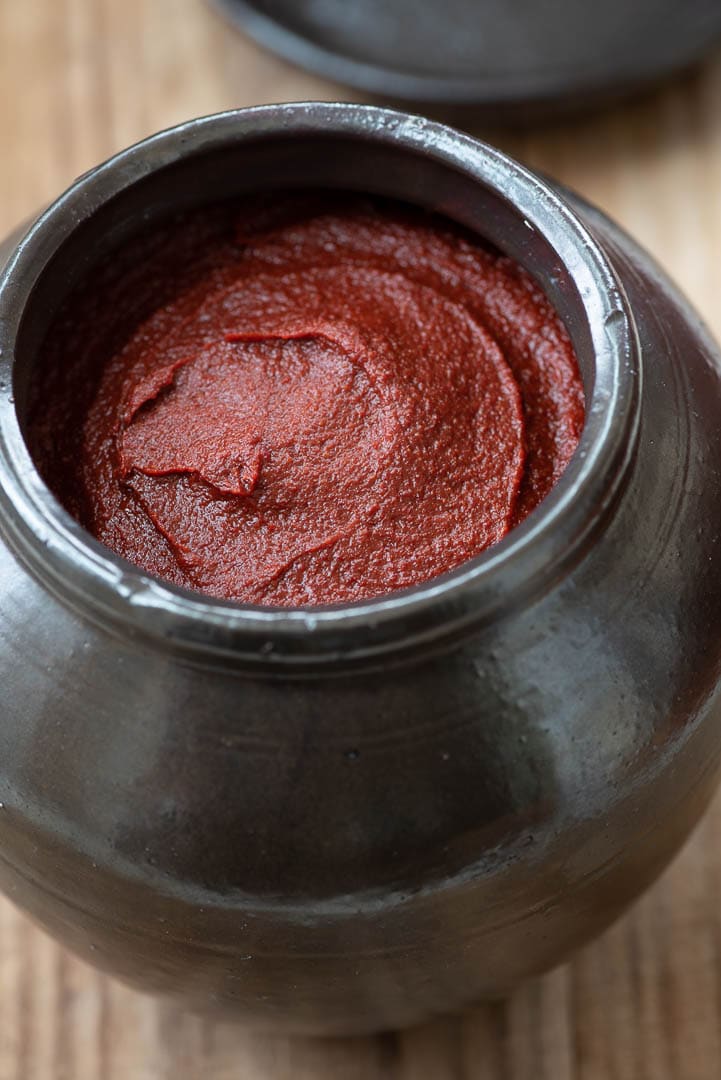
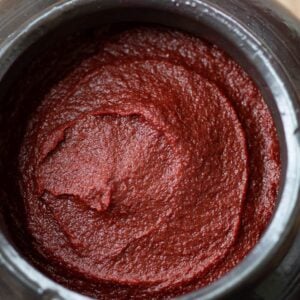
    This is how my mother used to make her gochujang! It’s the traditional way. Making gochujang from scratch is easier than you might think. Hope you try it.
    DSC9031 2 - How to Make Gochujang

    What is gochujang?

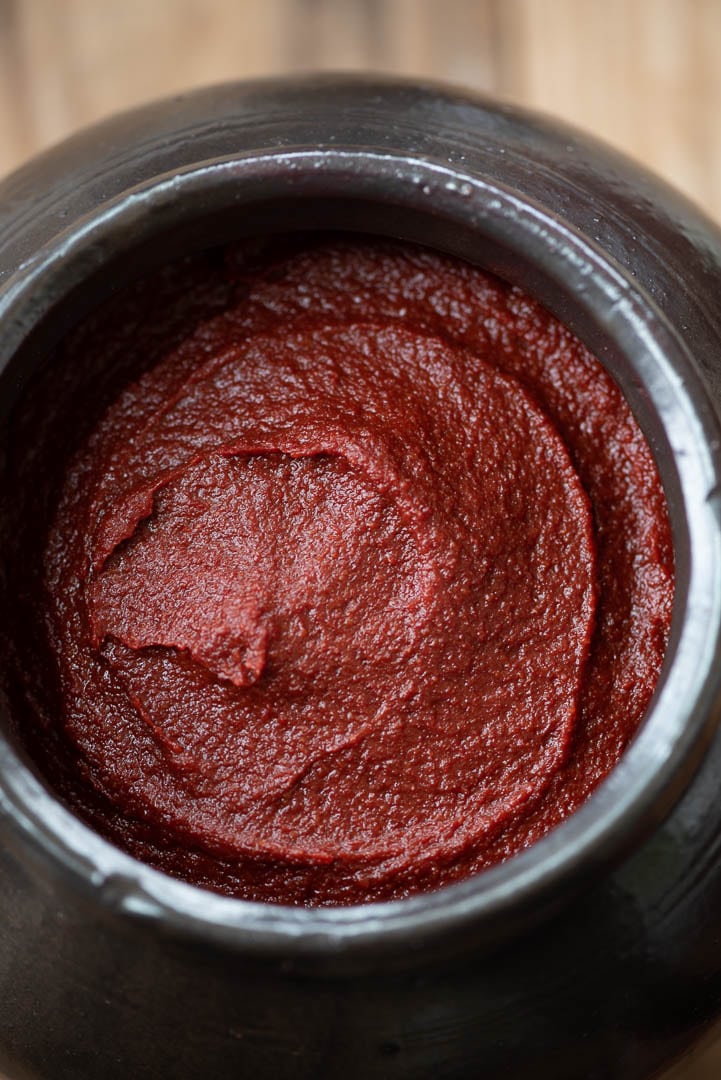
    Gochujang (고추장) is Korean fermented chili pepper paste. Along with ganjang (간장, soy sauce) and doenjang (된장, fermented soybean paste), it’s one of the three fundamental fermented sauce or paste, collectively called jang (장). The red thick paste is deeply savory, peppery, salty, spicy and slightly sweet!

    Contrary to popular belief, gochujang is not a ready-to-eat condiment. It’s used as a base ingredient to season and flavor a wide range of dishes or made into various sauces. See my 15 Recipes that Use Gochujang.

    Commercially made gochujang is widely available in Korean markets or on-line, but there’s nothing like homemade gochujang!  It’s really not that difficult to make a small batch of gochujang at home. If you made it once, you’d never look back! 
    DSC9044 - How to Make Gochujang

    Gochujang Ingredients

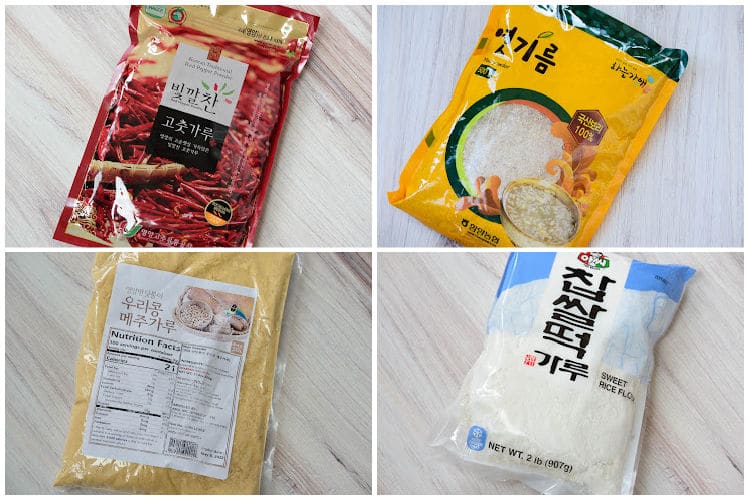
    While gochujang has many variations, the basic ingredients typically include gochugaru (고추가루, Korean red chili peppers), yeotgireum (엿기름, barley malt), chapssal (찹쌀, sweet rice) or other grains, meju garu (메주가루, fermented soybean powder), and salt. You can find these ingredients in Korean markets or on-line. 

    Small bags for most of these are usually 500 grams, so I’ve developed my small batch recipe based on that. The measurements, however, are flexible as long as you adjust the liquid and salt amount accordingly. Also, if you like a larger batch, this recipe is easy to double. 

    Of course it goes without saying that quality ingredients make good homemade gochujang, so use the best ones you can find. 
    Blank 750 x 500 3 - How to Make Gochujang

    Gochugaru 

    You may have regular gochugaru for making kimchi or other dishes such as stews and soups. For gochujang, you’ll need finely ground gochugaru, which is usually labeled as “고추장용” gochujang yong, meaning for making gochujang or “고운 고추가루” go-un gochugaru, meaning finely ground. 

    Some gochugaru packages indicate the spicy level, such as botongmat (보통맛), meaning medium spicy, or maeunmat (매운맛), meaning extra spicy. Some are sun-dried (taeyangcho, 태양초), which is preferred by some people. 

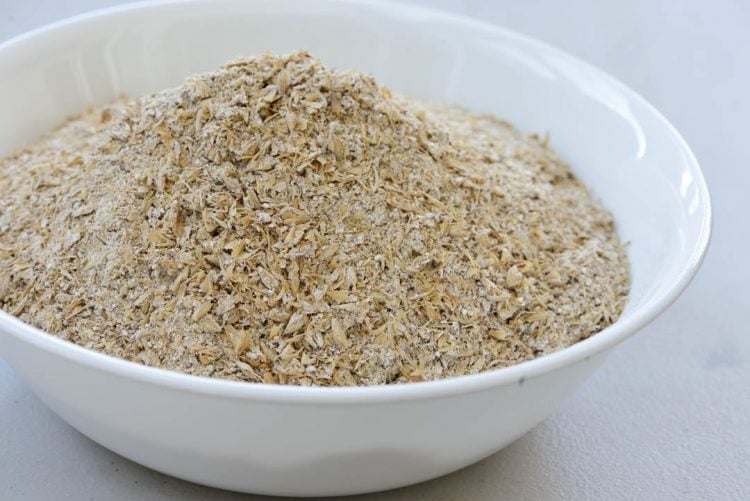
    Yeotgireum (barley malt)

    Yeotgireum (엿기름) is barley that has germinated/sprouted and dried through a malting process. Barley malt usually comes in two different types in Korea. The first type is roughly milled with the husks on, and the other type is hulled and ground into white powder.  The first type is less processed and traditionally used for making gochujang. 

    Milled malt is steeped in water, allowing the enzymes to breakdown the complex carbohydrates of the malted grain. The resulting milky liquid, after removing the husks, is boiled down and used to make the base liquid for gochujang. Malt adds a sweet, nutty taste to gochujang and help promote fermentation. 

    In Korea, barley malt is also used to make jocheong (rice syrup) and sikhye (sweet rice drink). 
    DSC2541 01 2 e1637787158748 - How to Make Gochujang

    Chapssal (sweet rice)

    Sweet rice (aka glutinous rice), called chapssal (찹쌀) in Korean, adds natural sweetness and a sticky texture to gochujang. Some people cook sweet rice first and then combine with malt water, but it’s common to mix sweet rice flour with malt water and boiled it down to create slightly thickened and sweetened liquid. 

    You can find wet sweet rice flour (chapssal garu, 찹쌀가루) in the frozen section of Korean markets. You can also soak sweet rice for hours, drain well, and ground in a blender for this recipe. 

    Mejugaru 

    Mejugaru (메주가루) is fermented soybean powder. Meju (메주) is a fermented soybean block that’s used to make doenjang (fermented soybean paste). For gochujang, meju is made slightly differently for a milder taste. This adds a savory, funky taste to gochujang and provides enzymes that help develop earthy, sweet taste during fermentation. 

    Salt

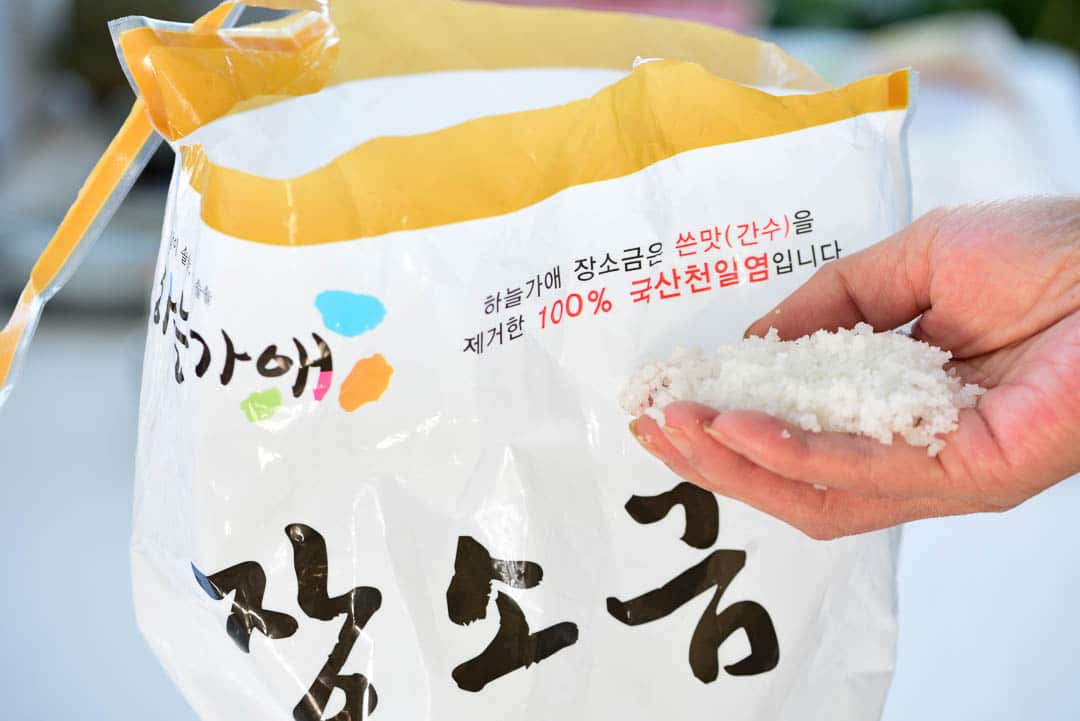
    Korean coarse sea salt, Cheonilyeom (천일염), with bittern removed, is best for making jang and salting vegetables for kimchi. Bittern (called gansu in Korean, 간수) is a bitter solution remaining in salt making after the salt has crystallized out of seawater. This type of salt is sometimes labeled jang sogeum (장소금, salt for jang) or jeolimyong (절임용, for salting vegetables). Sometimes, it’s noted in the back of the package about the removal of gansu. 

    Among the ones available around here, Sempio and Chungjungone Coarse Sea Salt packages note that bittern was removed from their salt, so good for jang and kimchi making. They are sea salt from the West Sea tidal flats in Sinan Island, Korea, one of the top 5 world tidal flats and biosphere reserves. 

    The level of saltiness widely varies depending on the types of salt. Always hold back some and add as necessary. Korean sea salt is the best for this recipe. 
    DSC2506 - How to Make Gochujang
    The package says: Jangsogeum gansu (bittern) removed 100% Korean sea salt

    Other common ingredients

    These days, it’s very common to add rice syrup (jocheong, 조청) and/or plum extract (maesilcheong, 매실청) to gochujang as extra sweeteners. Some people also use soju (rice wine) to prevent gochujang from spoiling or becoming moldy during warm months. Soju will be useful if you’re in warm weather locations. These can be stirred in at the end if you like to try it.
    DSC9011 2 - How to Make Gochujang

    How to make gochujang at home

    Here, I’m sharing how to make gochujang the traditional way my mother used to make. In 2018, we made a large batch of gochujang with her. Due to her declining health, she couldn’t actually do the work, but directed my father and me what to do every step of the way. She’s no longer with us but we still have some gochujang we made with her. 

    My mother didn’t make gochujang as sweet as how it’s usually made these days with extra sweetener, but she used a lot of barley malt, which gives gochujang plenty of earthy taste and subtle sweetness. Great for soups and stews! And gochujang is more flexible this way. You can always adjust the sweetness by adding a sweetener of your choice when you’re cooking individual dishes with gochujang.

    In case you like yours a little sweeter, I’ve included an optional addition of rice syrup (which is naturally made with barley malt and rice) in this recipe. It will still not be as sweet as some of the commercially available gochujang you’ve probably had. 

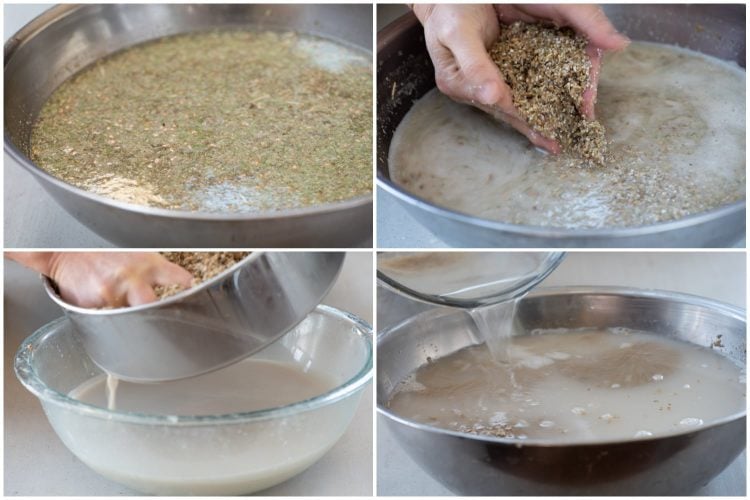
    While every household has its own recipe for gochujang, the traditional method typically involves making malt water by soaking barley malt, squeezing out milky liquid, and strain. This process is repeated to extract as much malt as possible. 
    Blank 1500 x 1000 1 1 e1637687754379 - How to Make Gochujang

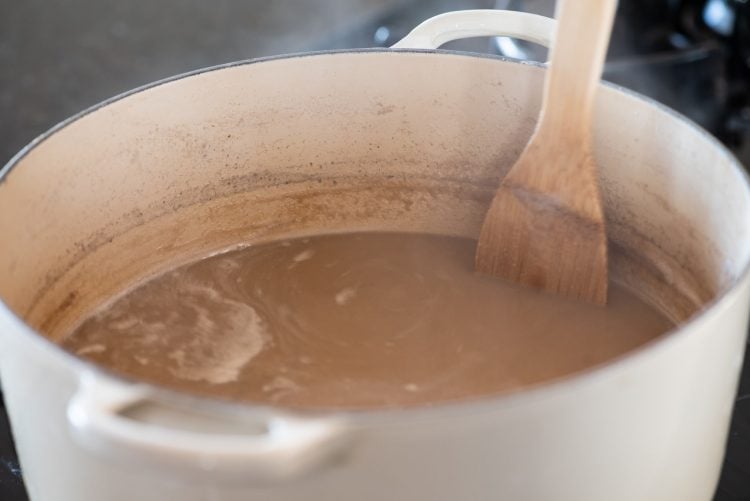
    The liquid then is mixed with sweet rice, and boiled down to slightly thick liquid.
    DSC8921 e1637687937444 - How to Make Gochujang

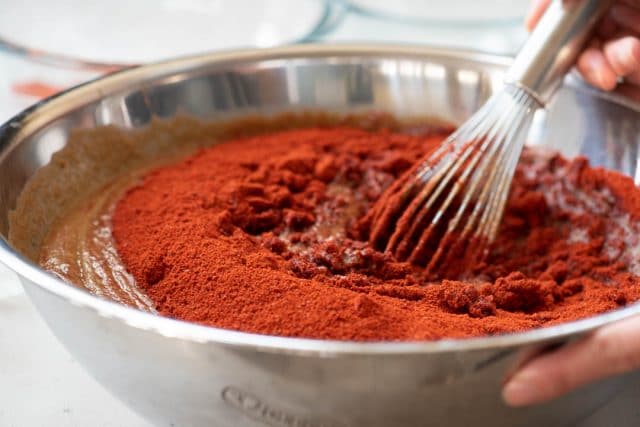
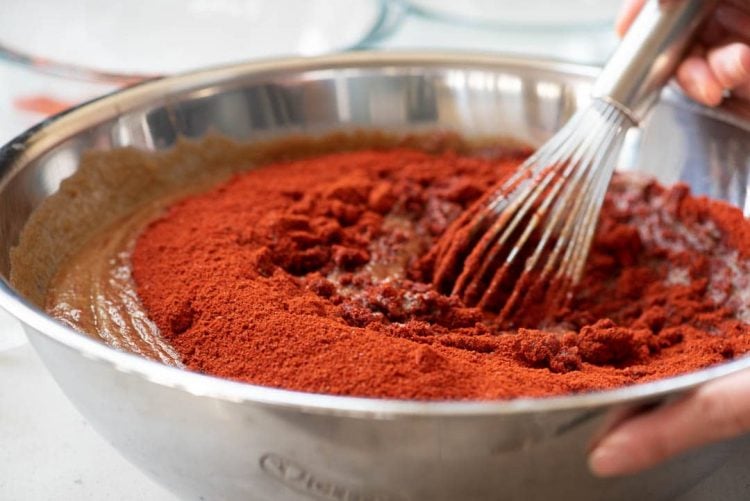
    This liquid is combined with salt, mejugaru, and gochugaru until smooth and creamy.
    DSC8944 e1637688189661 - How to Make Gochujang

    How to store homemade gochujang

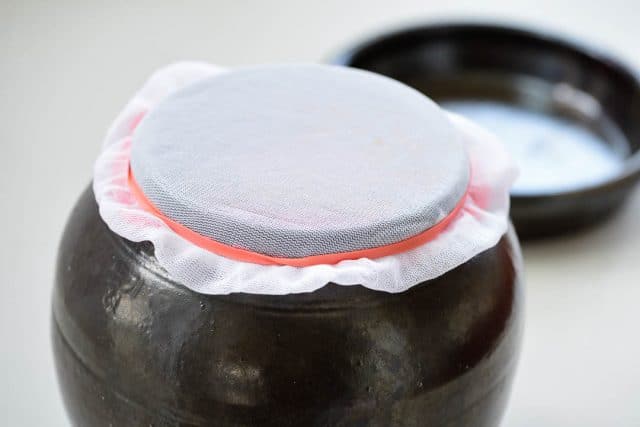
    Traditionally, gochujang is stored in an earthenware, called onggi (옹기) or hangari (항아리), outdoors in cool temperatures for fermentation. This is why gochujang is made during cold months, usually October to March. On sunny days, remove the lid and allow some exposure to sunlight and close at night and cloudy/rainy days. The opening should be covered with a fine mesh fabric or cheesecloth and secured with a rubber band to keep the bugs away. 

    If you’re living in a warm weather area or made gochujang during warm months, it’s better to keep your gochujang in a cool indoor place with plenty of sunlights. 

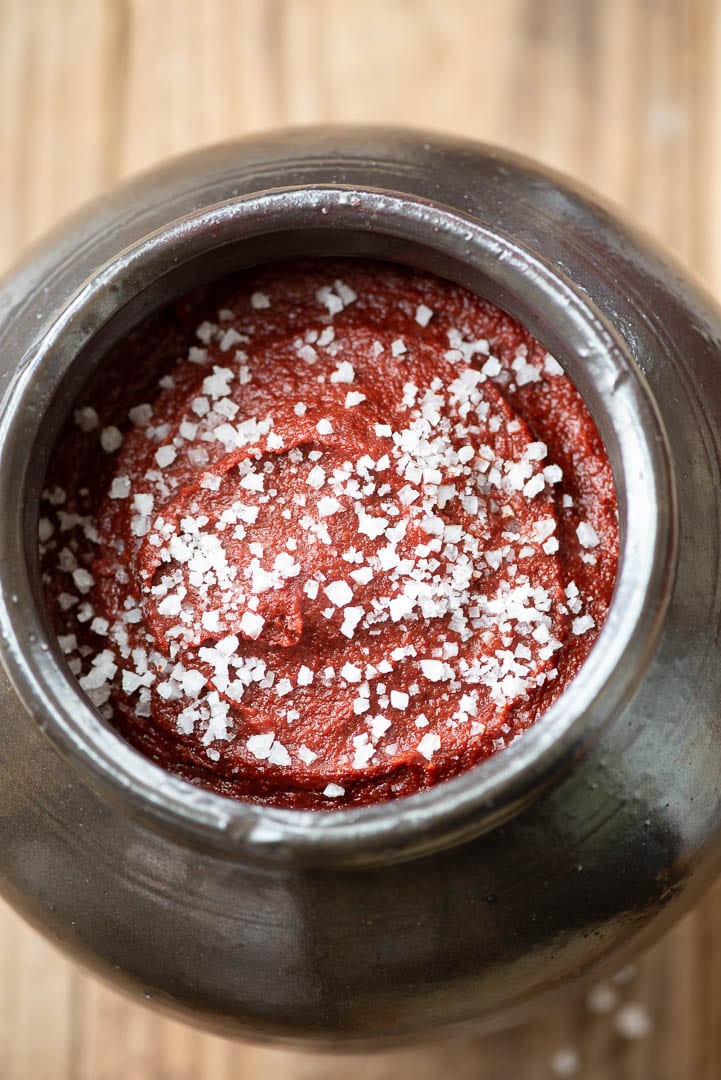
    It takes 60 to 90 days or longer to ferment gochujang. After that, you can refrigerate it and start eating. But, it will taste better with more time. Properly made gochujang can keep well for a long time in a cool place or in the fridge.
    DSC9051 - How to Make Gochujang

    For more Korean cooking inspirations, follow  along on YouTube, Pinterest, Twitter, Facebook, and Instagram.
    DSC9044 300x300 - How to Make Gochujang

    How to Make Gochujang

    4.95 from 18 votes
    Prep Time: 4 hours hours
    Cook Time: 2 hours hours
    Print Recipe

    Equipment

    • 2 large bowls
    • a fine sieve or a medium sieve with cheesecloth
    • 1 large pot
    • a whisk
    • a large wooden spoon
    • a rubber spatula
    • 1 small onggi or jar(s) equivalent to about 3/4 gallon

    Ingredients

    • 500 grams yeotgireum (엿기름)
    • 500 grams wet chapssal garu (찹쌀) - sweet rice flour or 2 cups sweet rice soaked and blended - see note 1
    • 250 grams meju garu (메주가루), fermented soybean powder
    • 250 grams Korean Cheonilyeom (천일염) coarse sea salt (bittern removed)
    • 500 grams finely ground gochugaru, 고추가루
    • 1 cup jocheong (조청), rice syrup - optional or masilcheong (Korean green plump syrup) - note 2

    Instructions

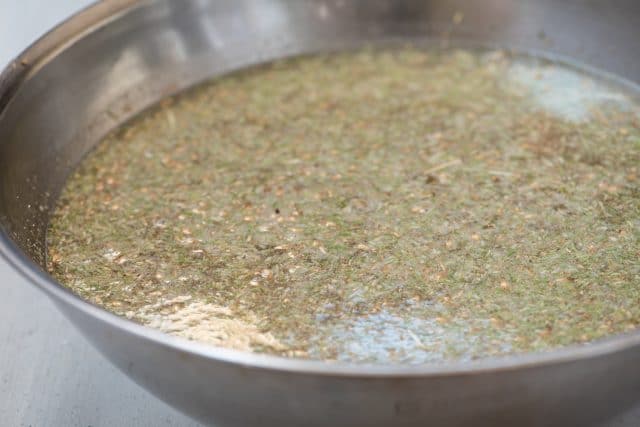
    • Place the barley malt in a large bowl. Stir in 10 cups of warm water, and let it sit for an hour or two, up to overnight.
      DSC8826 640x427 - How to Make Gochujang
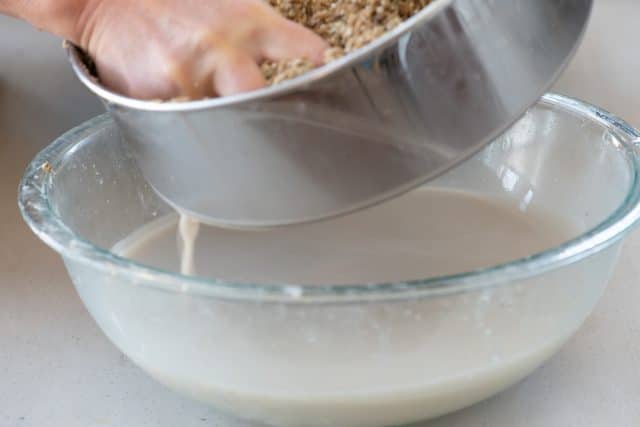
    • Rub the malt between palms and squeeze out milky liquid. Strain the malt liquid through a fine sieve into another bowl. If you don’t have a fine sieve, line a strainer with a cheesecloth. Then, squeeze the malt husks with your hands through the sieve to drain out the remaining liquid. Transfer the liquid to a large heavy bottom pot.
      DSC8866 640x427 - How to Make Gochujang
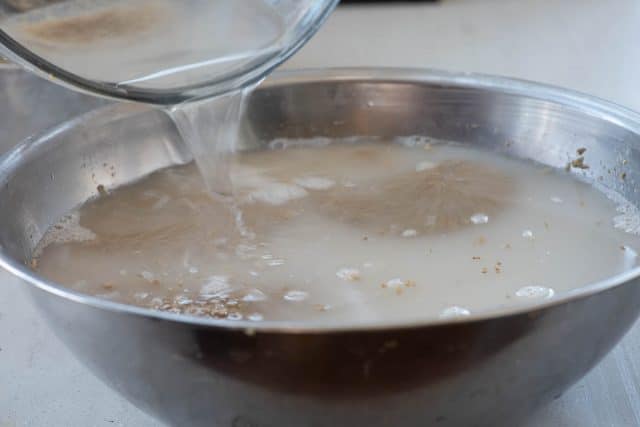
    • Place the malt husks in the first bowl and add another 10 cups of water. No need for an additional soaking time. Repeat the squeezing and straining process. Transfer the liquid to the pot with the first batch of milky liquid. This will yield about 17 to 18 cups of malt water.
      DSC8870 2 640x427 - How to Make Gochujang
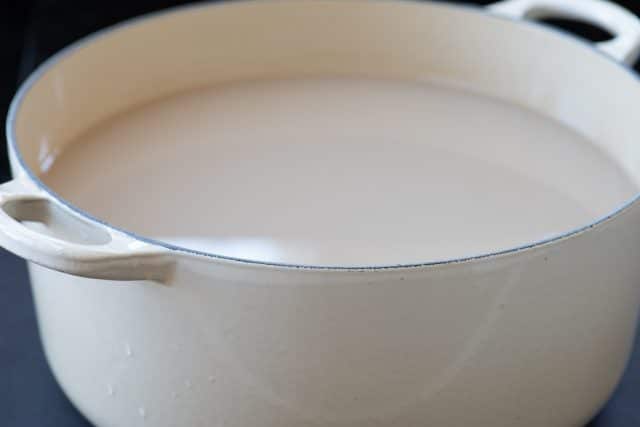
    • Add the sweet rice powder to the malt water and stir well. Turn the heat on to warm it up. Warm but not too hot to touch. Turn the heat off, and let it sit for two hours. During this process, the enzymes in the malt will break down the starch in sweet rice and convert to sugar.
      DSC8887 640x427 - How to Make Gochujang
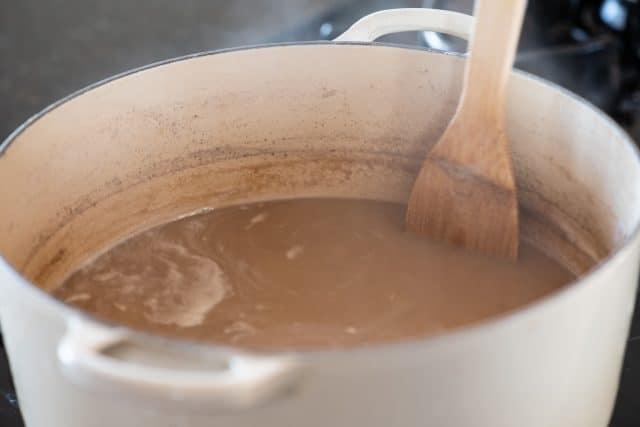
    • Turn the heat on to medium and boil the liquid down to a half, stirring once in a while. Measure the depth of the liquid with a wooden spoon or spatula, so you can easily tell when the liquid is reduced to a half. This will take about 2 hours and the resulting liquid will be around 8 to 9 cups. You’ll need about 8 cups for this recipe, but a little bit of extra is nice to have just in case. If you're using other optional liquid, you can reduce it further. Stir once in a while. Let it cool down a bit.
      DSC8921 640x427 - How to Make Gochujang
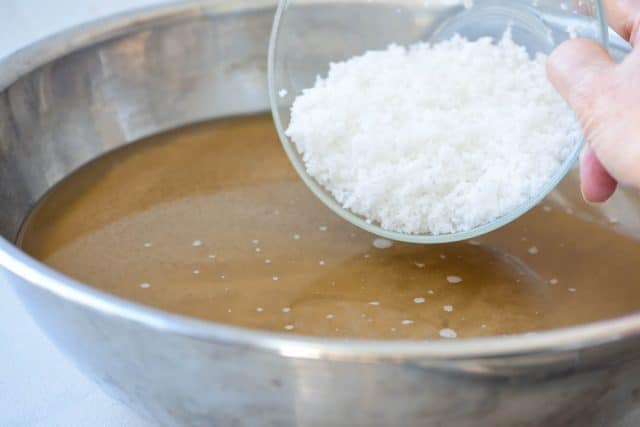
    • While the liquid is still warm, pour 7 cups of the malt liquid into a large bowl, and add the salt. If you're not using Korean sea salt, hold some back and add as necessary after mixing dry ingredients. Stir to dissolve. This is about a cup less than what’s required so you can add the rest or optional ingredients as needed.
      DSC2462 3 640x427 - How to Make Gochujang
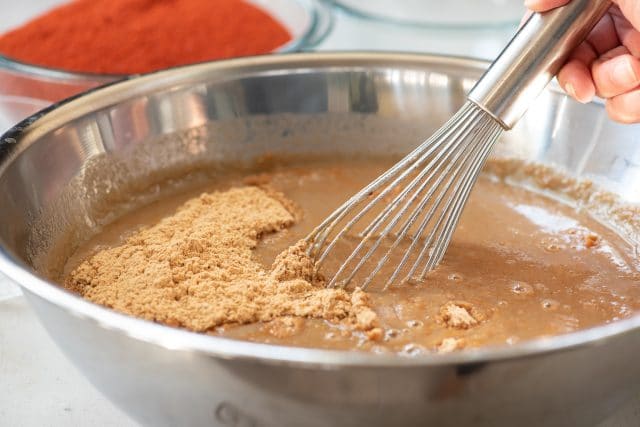
    • Using a whisk, stir in the fermented soybean powder and mix well until you see no lumps.
      DSC8942 640x427 - How to Make Gochujang
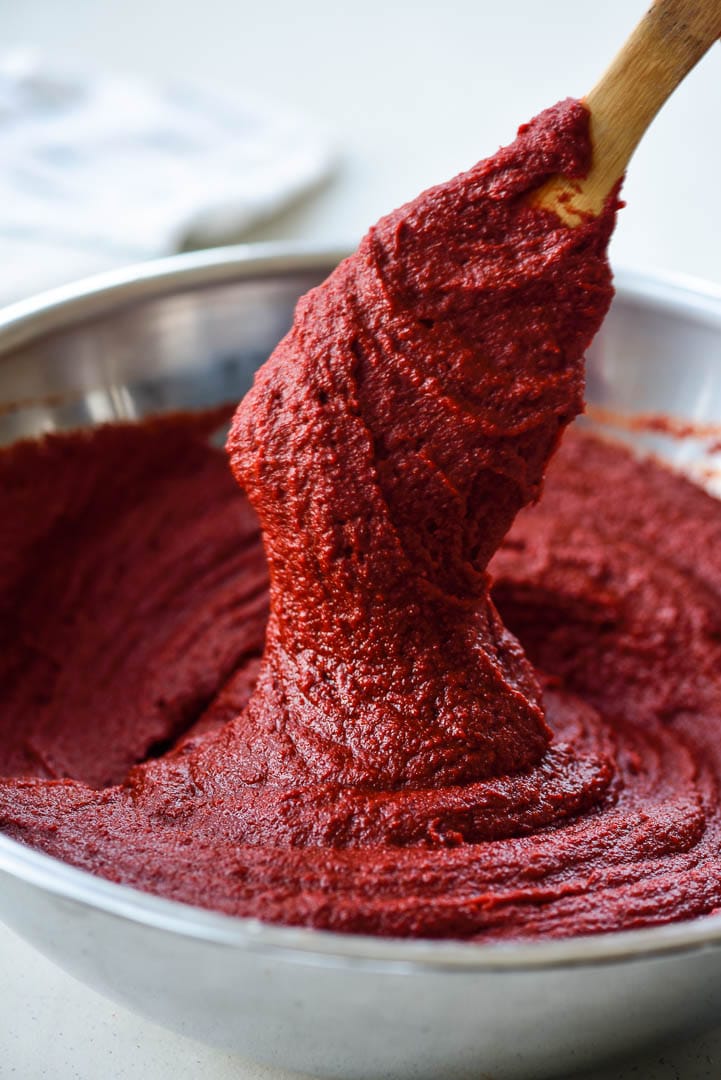
    • Stir-in the gochugaru and mix very well until there are no big lumps. Continue to stir. You can use a large wooden spoon or spatula this time. If the gochujang is too thick, use more malt liquid or optional rice syrup (jocheong), plum extract, and/or soju to adjust the thickness and sweetness. It should be thin enough to slowly drop from the wooden spoon or spatula like a thick batter. Let it sit for a few hours until the dry ingredients fully absorb the liquid, and salt is completely melted. Adjust the saltiness, sweetness, and thickness as necessary. Gochujang should be a bit too salty to eat as is.
      DSC8944 640x427 - How to Make Gochujang
    • Transfer to a jar(s) or an earthenware -- onggi hangari, if you have one. Lightly sprinkle with coarse sea salt. Cover with a fine mesh fabric or cheesecloth and secure with a rubber band.
      DSC2441 640x427 - How to Make Gochujang
    • Place the lid on. Keep it outdoors in cool temperatures or at room temperature, if cooler, next to a sunny window. On sunny days, remove the lid and allow some exposure to sunlight. For this small batch, it takes 60 to 90 days to ferment. After that, you can refrigerate.
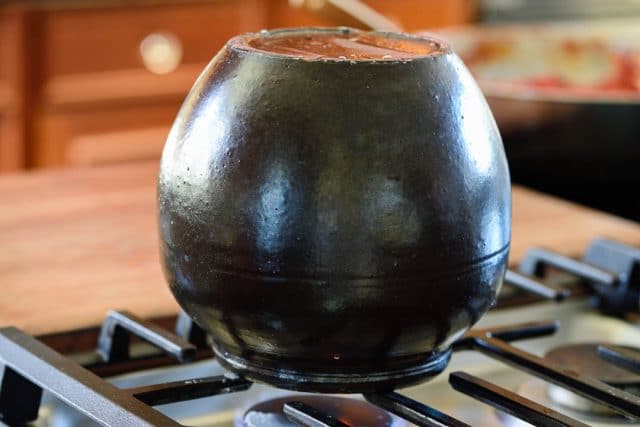
    How to sterilize onggi

    • Clean with warm water, and place it upside down to remove excess water. Then, place it upside down on the stove. Turn the heat to medium to heat it up, and then reduce to medium low. Leave it on the heat for 5 to 7 minutes. Longer for bigger ones.
      DSC2436 640x427 - How to Make Gochujang

    Notes

    1. How to make wet sweet rice flour: Rinse sweet rice 3 times, soak for 3 to 4 hours, drain well, and ground in a blender as fine as possible. 
    2. You can use these ingredients to your taste and/or to adjust the thickness of the paste. The amount required will depend on how thick the paste is at this point and your taste. Soju (Korean rice wine) can also be used to adjust the thickness and to prevent gochujang from spoiling/molding during fermentation. If need to increase the saltiness, you can use soup soy sauce (called gukganjang, 국간장,  or Chosun 조선간장) as well. Of course, salt is good, but you will need to stir very well to dissolve it. 

    Tried this recipe?Mention @koreanbapsang or tag #koreanbapsang!

    You may also like:

    • 2.5 x 3.5 in 8 300x300 - How to Make Gochujang
      Korean Pantry Staples – Seasoning Ingredients
    • Blank 1300 x 1940 9 e1634787189596 300x300 - How to Make Gochujang
      15 Recipes that Use Gochujang
    • DSC9694 300x300 - How to Make Gochujang
      Kimchi Bulgogi Cheesesteak
    • DSC2501 01 3 300x300 - How to Make Gochujang
      Gochujang Jjigae (Gochujang Stew with Zucchini)
    « Korean Drama Food – Crash Landing on You
    Korean Pantry Staples – Seasoning Ingredients »
    5336 shares
    • Share
    • Tweet
    • Email

    Reader Interactions

    Comments

    1. Andre says

      July 20, 2025 at 3:17 pm

      5 stars
      Hello,

      I followed your recipe in may and yesterday i tried the gochujang. It is phenomenal!
      Unfortunately i wasn’t able to get mejugaru here in germany (also impossible to order it online), so i used a few spoons of doengjang as protein source. I extra ordered a onggi too 🙂
      Next time i will have made the mejugaru by myself.
      This site is a treasure trove of great recipes! Thank you for sharing them

      Reply
    2. Sanji Sharma says

      February 04, 2025 at 3:36 am

      Hi!

      I am going to make gochujang but was wondering what is the measurement of the cup for water?

      Reply
      • Hyosun says

        February 04, 2025 at 11:27 am

        1 cup measures about 237 ml. Enjoy making gochujang!

        Reply
    3. t says

      February 01, 2025 at 5:45 pm

      5 stars
      Thank you so much for sharing this recipe–it’s so much better than anything I’ve bought in the past!

      Now that I’m hooked on making my own gochujang, do you by any chance have a recipe for making doenjang?

      Reply
      • Hyosun says

        February 02, 2025 at 11:24 am

        Awesome you make your own gochujang! I make deonjang as well, but sorry I haven’t done a recipe.

        Reply
    4. Lynne A Viescas says

      November 28, 2024 at 9:41 pm

      5 stars
      I would like to know why we use rice powder nowadays instead of cooked glutinous rice. I see videos of very proper ladies in Korea making gochujang (wearing white!) and they use very soft cooked rice. Do you know why? And when I make gochujang I have to wear orange clothes because the paste gets everywhere.

      Reply
      • Hyosun says

        November 29, 2024 at 9:44 pm

        There are many different ways to make gochujang, depending on the households, regions, etc. People use different grains. Glutinous rice is a popular choice, but it’s used different ways. Some people make rice cake with glutinous rice powder for gochujang. People more commonly just use glutinous rice powder. Maybe because it’s more convenient.

        Reply
    5. Daniel M says

      May 31, 2024 at 6:34 pm

      5 stars
      If I am able to only find dry sweet rice flour, should I wet it before adding it to the malt liquid? Or can I add it in its dry form?

      Thank you!

      Reply
      • Hyosun says

        January 16, 2025 at 12:03 pm

        oh sorry I missed the question until now! No, you don’t have to.

        Reply
    6. Patricia Bulleigh says

      May 08, 2024 at 2:04 am

      I hope to try this for the fall here in Minnesota. As a household of one. I think a lot of this is also going to be in my Christmas baskets. With a couple of recipes easy for Americans to get ingredients for.
      Already making ginger candy and syrup with both honey and sugar. That gets recipes for a tea,cake, ginger pop.
      I am also experimenting on using the syrup in making sugar for cubes and baking. I want a ginger Pheffernuse cookies. Think I spelled that wrong but this phone is not getting the word right in spellchecker or voice!

      Reply
    7. Dave says

      November 25, 2023 at 8:10 pm

      What is to cold to leave outside during the fermentation process?

      Reply
      • Hyosun says

        November 25, 2023 at 8:57 pm

        Cold is fine. You can leave it out longer in cold weather.

        Reply
        • Itzel says

          January 03, 2024 at 2:04 pm

          5 stars
          Excited to try this recipe! Thank you for posting it.
          I do have another question about the temperature though.
          Here in Canada winters are cold cold (5°C to -20°C easy), is that still ok or is below freezing point too cold?
          TYIA

          Reply
          • Hyosun says

            January 05, 2024 at 10:08 pm

            Gochujang is made during cold months, usually October to March, to prevent freshly made gochujang from spoiling and from fermenting too quickly. It’s traditionally kept outdoors in earthenwares for years going through some cold winter and hot summer. If the weather is very cold when gochujang is made, it will slow down the fermentation further or no fermentation happens until it gets warmer. You can wait until Feb or March to make it if the cold temp is a concern.

            Reply
    8. Jared says

      November 05, 2023 at 1:22 am

      I made this for the first time last year and was giving it away it was so good. Used it in Eric Kim’s recipe for Gochujang Sugar Cookies and it was perfect. Even my one-year old was pushing through the burn 🙂

      One thing I noticed as I was re-reading the recipe for this year’s batch, a good chunk of this process is incredibly similar to making beer at home. If you can control the temperature, the enzymes that make the starches simple and digestible for fermentation operate best/most efficiently around 140F (50C). I used my sous vide machine to keep the temperature constant for 2 hours.

      Another point…The yeast for the fermentation process is in the meju garu (메주가루). So, do not add it until the temperature of the solution is around 100F / 38C. If it’s too hot, it could kill the yeast.

      Reply
      • Dr Zhivago says

        March 16, 2024 at 1:40 pm

        5 stars
        Heheh – yeah my brain did the same thing. I had mine on an induction plate and monitored the temp, and thenI used Iodine to test for starch conversion.

        Reply
    9. Heidi says

      November 01, 2023 at 10:47 pm

      Hi – I live in Australia, where our summers are extremely hot. Is it ok to leave my gochujang out in the sun above 35 degrees C?

      Reply
    10. Danielle says

      October 11, 2023 at 11:10 am

      5 stars
      Hi! I unfortunately didn’t taste my 고추장 until the end of making the recipe, and it tasted very salty–will that go down at all over time, or should I add some water or anything? Thank you!

      Reply
      • Hyosun says

        October 20, 2023 at 11:10 pm

        You can add more gochugaru and/or rice syrup (jocheong, 조청) or maesilcheong (Korean plum extract). Sweetness will help reduce saltiness. No water. You can also make more malt/sweet rice water, but it will be more work. Homemade gochujang is usually saltier than commercial brands because there are no preservatives added.

        Reply
    11. Karen Fifi NKILI OBELE says

      August 05, 2023 at 7:01 am

      Hi, I want to try this recipe, it looks delicious 🤤. I live in Gabon in central Africa, so barley is not easily found here. I have read that honey can replace it.
      We don’t earthenware here. What container can I use to replace it. And here we don’t have cold season, cold but sunny room shouldn’t be a problem, but at which temperature should be the room?

      Reply
    12. Angela says

      July 14, 2023 at 2:38 am

      I made this recipe about 2 weeks ago. It looks pretty good and the color is getting deeper. I keep it inside where the temperature stays between 70-75 degrees F and open the lid everyday so the sunlight from my windows can reach it. Today I noticed a slight alcohol smell to it, is this normal?

      Reply
      • Hyosun says

        July 17, 2023 at 7:12 pm

        I believe it can happen, but not normal. It may be fermenting too quickly because 70-75 is still very warm for newly made gochujang. I’d recommend you sprinkle the top with salt and/or keep it in the fridge until the weather is cooler.

        Reply
    13. Rainbow serpent says

      July 04, 2023 at 11:02 pm

      Thanks so much for this brilliant low sugar recipe for gochujang! Fun fact, I squeezed out my leftover barley malt powder/rice flour sludge (a cup or two) and made a tiny batch of rice syrup with the liquid by boiling it down ……. and it was awesome!! It also proved that the malt had converted the rice flour to sugar.

      Reply
      • Hyosun says

        January 16, 2025 at 12:07 pm

        Great job!

        Reply
    14. Sarah Hong says

      June 05, 2023 at 3:26 am

      I was wondering if using a glass fermentation jar for this recipe (or kimchi for that matter) would be a problem? How would it change the steps?

      Reply
      • Hyosun says

        June 07, 2023 at 10:12 pm

        Sorry I’ve never used a glass fermentation jar for this or kimchi, so cannot help you with that question.

        Reply
      • Heidi says

        November 03, 2023 at 12:47 am

        If it’s any help, I always make my kimchi in a large glass jar, then store it in the fridge. Ditto the gochujang – with a mesh covering to keep the insects out. Works fine.

        Reply
    15. Duncan Norris says

      May 08, 2023 at 8:21 pm

      5 stars
      Thank you for this recipe. I have my second batch fermenting at the moment. I made this because the first one I made with your recipe was better than the commercial Gochujang. I also really enjoyed making it.

      Reply
      • Hyosun says

        January 16, 2025 at 12:10 pm

        Wonderful! YES it’s so much better and worth the effort!

        Reply
    16. Scott Newsom says

      December 01, 2022 at 8:03 pm

      What qualifies as a cool day and what qualifies as a warm day? These terms are very subjective.

      Reply
      • Hyosun says

        December 02, 2022 at 3:04 pm

        I said in the write-up: “Traditionally, gochujang is stored in an earthenware, called onggi (옹기) or hangari (항아리), outdoors in cool temperatures for fermentation. This is why gochujang is made during cold months, usually October to March.” So, when I said cool months, I meant fall to spring. This also works in the mid to north east coast of the U.S. where I live. Of course, temperatures can vary even during these months in these areas.

        Reply
    17. Peisia says

      November 04, 2022 at 6:39 am

      5 stars
      Thank you for the recipe, I am going to try it. Can I ask if I can use an onggi I’ve previously used for kimchi or vice versa?

      Reply
      • Hyosun says

        November 05, 2022 at 10:27 am

        Of course! That’s what’s traditionally used.

        Reply
    18. Me says

      September 23, 2022 at 11:00 pm

      Thank you for posting this recipe. My family made their own gochujang and doenjang. Your recipe is the same as what my family used, though we sometimes used glass jars. My family didn’t use rice syrup or plum syrup either. Too many of the store bought and restaurant gochujang are too sweet, so I’m making my own this year.

      Reply
    19. Nour’s Mom says

      April 18, 2022 at 1:01 am

      Hi,

      I live in Europe and unfortunately can’t find all the ingredients for this recipe.

      I want to make homemade gochujang without alcohol and was wondering if I could use doenjang for the base? Since doenjang is also fermented, could I add some gochugaru and sugar to it to make a quick version of gochujang?

      Thanks in advance 🙂

      Reply
      • Hyosun says

        April 25, 2022 at 6:07 pm

        This recipe doesn’t use alcohol. You can use a little bit of doenjang to give a taste of meju powder, but not too much because doenjang can be overpowering. Also, it’s better to use rice syrup (or honey) than sugar for gochujang. I’ve never made quick gochujang with doenjang so sorry I really can’t give you detailed instructions.

        Reply
        • Nour’s Mom says

          April 25, 2022 at 7:37 pm

          Thank you for your quick reply. I will try to find all the ingredients in your recipe and try to make it from scratch. I would love to make this recipe.

          I asked you about doenjang, because I have seen many quick recipes ask for miso paste, sugar, vinegar and gochugaru. I thought that maybe by substituting miso for doenjang it would give me better results.

          Reply
    20. Brie says

      February 19, 2022 at 1:44 am

      5 stars
      I have always wanted to make this because the bought one all contain gluten.
      Do you know if there are any ways to substitute the barley malt water? If there was a way I’d actually be able to do it.

      Reply
      • Hyosun says

        February 20, 2022 at 4:59 pm

        Sometimes Koreans make gochujang liquid with rice syrup instead of malt water as a short cut. I also see some commercial gluten free gochujang brands list rice syrup (jocheong) as an ingredient, but rice syrup is also made with barley malt. They must have a special way to make it. The safest way is to use honey. I haven’t tried it, but I think it will work. For steps 4 and 5, add sweet rice to just water instead of malt water and ignore the rest of the steps 4 and 5. Boil the sweet rice mixture until cooked through with a thin pasty consistency, and then stir in honey. Boil it together until honey is well incorporated. I’d use much less water, since you wouldn’t need to reduce it down as you would with malt water. I’d say try with 10 cups water with 1 cup honey. You can add more honey to taste. In fact, I’ll soon try this myself, and update my post for gluten free gochujang. If you try before I do, please let me know how it turned out.

        Reply
        • Dana Chiu says

          March 05, 2022 at 2:57 pm

          I’m wondering if the honey might inhibit bacteria that’s necessary in fermentation??

          Reply
          • Hyosun says

            March 07, 2022 at 1:00 am

            hmm not sure about the science of it, but honey is commonly used in gochujang in Korea.

            Reply
            • Jared says

              August 19, 2022 at 5:23 pm

              Honey will not inhibit the fermentation. The reason why honey self-preserves is because of the chemical structure and how it arranges itself. As a result, the amount of “free water” that isn’t bound up with honey is too little to support microbial growth.

              If you mix the honey into a bunch of liquid, there is now a lot of free water and microorganisms have enough to support growth.

        • Aleeoop says

          March 30, 2023 at 1:34 am

          A homemade beer and wine supply store will have bottles of amylase enzymes that can be used to replace the malted barley.

          They also sell crushed malt for about $3 per pound. You can also buy concentrated malt extract syrup or powder, which has already completed the enzyme soak (called mashing in beer making) filtering and evaporation.

          I can not say malt extract syrup is or is not completely free of gluten, but it will be only a very small amount. They use coarsely crushed malt and low-protein varieties of barley so it is easy to filter a very clear extract. Beer brewers do not like to release gluten because it plugs up the filter, and protein in the liquid makes the beer cloudy when cold.

          Reply
    21. Austin says

      February 11, 2022 at 5:46 pm

      5 stars
      I am very tempted to make it as we start to head in to winter here in Australia. Couple of questions. 1. What determines the length of fermentation? 60 to 90+ days is a big variation. 2. How do you know it is ready to use?

      Reply
      • Hyosun says

        February 15, 2022 at 11:59 am

        The time required varies depending on various factors, such as condition/quality/ratios of ingredients (e.g., fermentation time of meju powder), salt level, temperature, exposure to sunlight, etc. In general, 60 days is around the time gochujang can be ready, especially for this small batch, but the gochujang will taste better as it matures longer. Traditionally, Koreans make gochujang in large batches in huge onggi jars (earthenware pots) and leave them outside for much longer, 6 months or longer. Gochujang is made much saltier this way.

        You know it’s ready when it tastes good with all the flavors nicely meld together and meju (fermented soybean powder) flavor mellowed. You just have to try a little. The gochujang I made for this post is now 2.5 months old (through late fall and winter). I’ve been keeping it outside (on balcony with a roof) exposing to sunlight on sunny days. It tastes pretty good, and I can use it if I want now, but I’m going to leave it alone for longer.

        Hope this helps, and you try making it soon while the weather is still cold.

        Reply
    22. Kathy says

      February 06, 2022 at 8:13 am

      I can honestly say I have never thought about making gochujang. However, this looks fun and I’m convinced. What a great idea during the cold months! I can’t wait to make it with my mother. Thank you for sharing your story, too.

      Reply
      • Hyosun says

        February 06, 2022 at 1:06 pm

        Oh it is. It will be a fun, memory building project with your mom.

        Reply
    4.95 from 18 votes (7 ratings without comment)

    Leave a Reply Cancel reply

    Your email address will not be published. Required fields are marked *

    Recipe Rating


    Primary Sidebar

    Welcome to Korean Bapsang

    Korean Bapsang Author
    Hi! I'm Hyosun, and I am a Korean-American mom of two wonderful grown-up children. Here, you will learn how to cook Korean dishes the way we Koreans traditionally eat at home. Read More...

    Never Miss a Recipe

    Trending Recipes

    • Korean beef short ribs in a plate with lettuce in the background LA Galbi (Korean BBQ Short Ribs) 18.7k views
    • Spicy pork bulgogi served with lettuce wraps and ssamjang Jeyuk Bokkeum (Spicy Pork Bulgogi) 16.2k views
    • Red spicy braised Korean chicken called dakdoritang in a green casserole Dakdoritang (Spicy Chicken Stew) 12k views
    • Doenjang jjigae (Korean soybean paste stew) Doenjang Jjigae (Soybean Paste Stew with Pork and Vegetables) 12k views
    • kimchi stew with tofu in an earthen pot with the lid laid on the side of the pot Kimchi Jjigae (Kimchi Stew) 10.4k views
    • Korean chicken soup Dakgomtang (Korean Chicken Soup) 9.3k views

    As Featured On:


    Footer

    Korean Bapsang New Logo

    • Facebook
    • Instagram
    • Pinterest
    • Twitter
    • YouTube

    Copyright © 2026 · All rights reserved · Korean Bapsang

    Rate This Recipe

    Your vote:


    A rating is required
    A name is required
    An email is required

    Recipe Ratings without Comment

    Something went wrong. Please try again.