
What is Seolleongtang
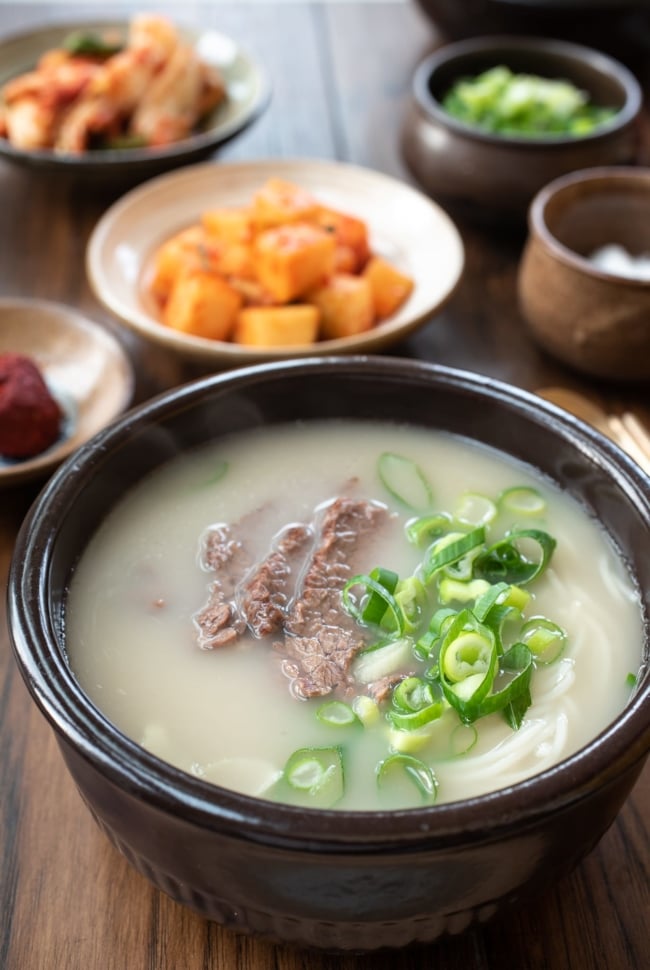
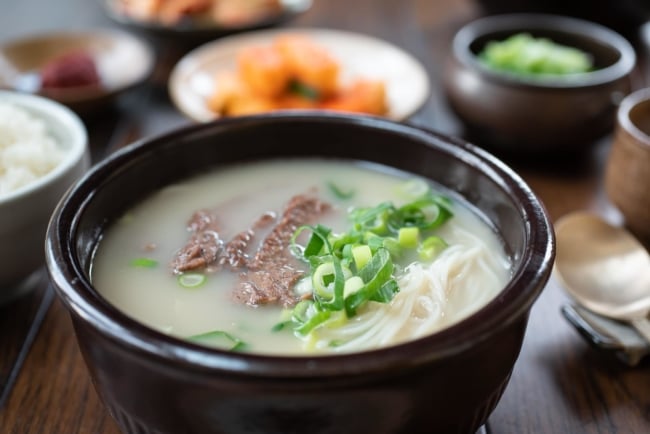
Seolleongtang is a milky beef bone soup that’s made by boiling down ox leg bones for several hours until the broth becomes rich and creamy white. This broth is a staple in Korean households, especially during cold winter months.
Legend has it that this soup was created because King Seonjong of the Joseon Dynasty wanted to feed many people after an ancestral worship ritual involving a sacrificial cow. Let me tell you – the King had the right idea!
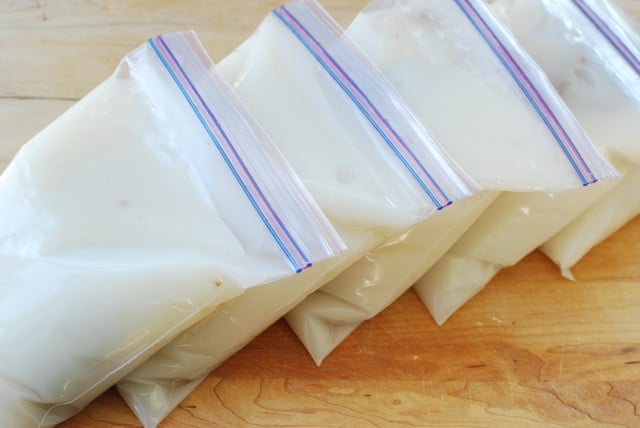
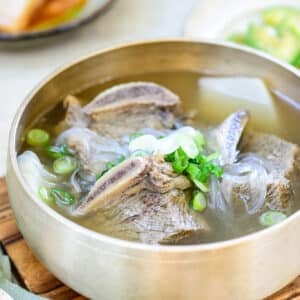
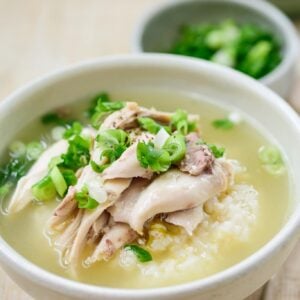
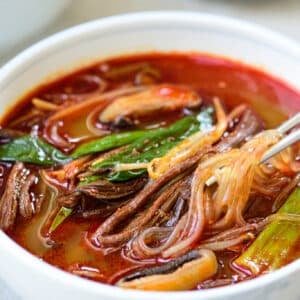
You can feed your whole family with a few dollars’ worth of beef bones and still have some leftover to freeze for later use. The broth is also great as a soup base for many other Korean soups such as tteokguk, manduguk, doenjangguk, and miyeokguk.
In this post, I’m going to demystify seolleongtang to convince you to make this restaurant favorite at home. Yes, it takes time, but most of it is stove time. You can do other things around the house while this is boiling away in the kitchen. The result is totally rewarding!
Which ox bones to use
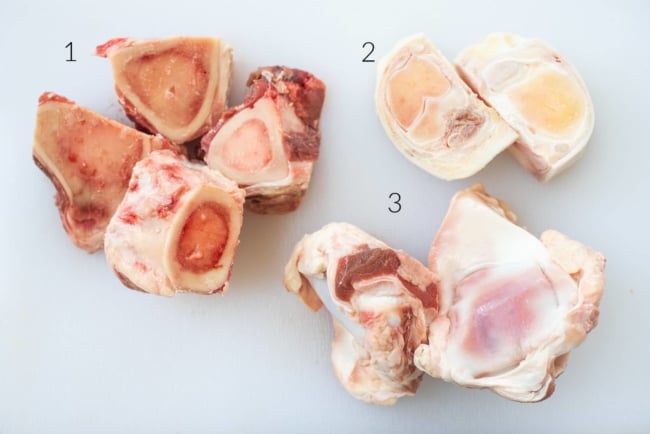
Ox marrow bones, called sagol (사골), are most typically used to make this milky bone soup, but other parts such as knuckle bones (dogani, 도가니) and ox foot (ujok, 우족). I usually use a combination of two or three different parts of bones for a rich flavor.
- Marrow bones, sagol (사골) 2. feet (ujok, 우족) 3. knuckle bones (dogani, 도가니)
How to make seolleongtang
There are no hard and fast rules about how many bones or water you need to use or how long you should boil. A few pounds of bones go a long way, and you can use as much water as your pot can hold.
In making a Western-style beef stock or Vietnamese pho broth, the cooks aim for a clear, brown broth by simmering beef bones for many hours. In contrast, the goal of making Korean ox bone broth is to achieve a milky white broth.
What’s done differently? It’s the heat level! For a clear broth, the bones are gently simmered over low heat. Simmering, by definition, is cooking at a temperature below the boiling point with bubbles gently rising to the top. For a milky broth, you need to maintain a medium boil, not a simmer, throughout the cooking time.
Tips for making Korean ox bone soup
- If your broth doesn’t get milky after 2 to 3 hours, increase the heat level.
- Don’t throw the bones away after making the first batch of broth. Use them again to make another batch. The broth will be even milkier the second time around. I usually stop after the third batch.
- It’s common to use aromatic vegetables, such as onion, garlic, and the white parts of large scallions. However, only using the bones will give you a stronger, beefy flavor. It’s a matter of personal taste. Try both ways and decide which way you like better.
How to serve seolleongtang
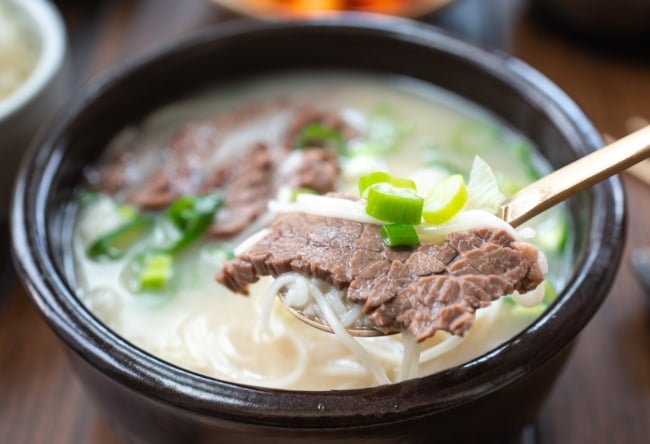
Usually, you season at the table by adding sea salt. You’ll be surprised by how a bit of salt brings out the complex flavor of the beef. The soup is also naturally nutty with a hint of sweetness. Delicious!
For more Korean cooking inspirations, follow along on YouTube, Pinterest, Twitter, Facebook, and Instagram.

Ingredients
- 3 - 4 pounds beef marrow bones (sagol, 사골), cut up You can also use cow knuckles (도가니) and/or foot (우족)
- 1 - 2 pounds beef brisket or shank meat
For serving:
- cooked rice
- cooked somyeon (or glasnoodles
- thinly sliced meat, cooked with the bones
- lots of chopped scallions
- salt and pepper
Instructions
Preparation
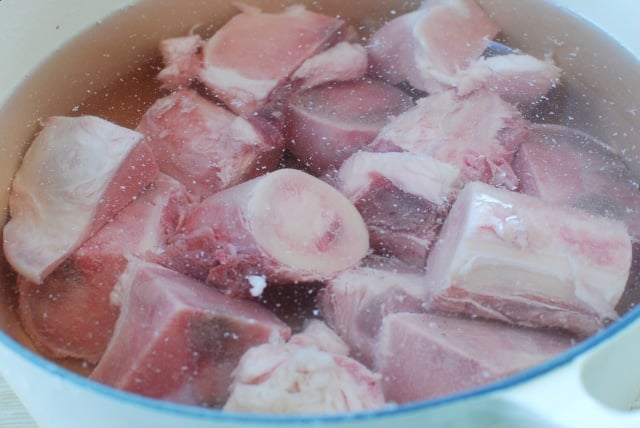
- Soak the bones in cold water to draw out as much blood as possible, about 1 hour (or longer if you have time). Rinse well and drain.

- Soak the meat in another bowl to draw out as much blood as possible, about 1 hour. Drain. Keep it in the fridge until ready to use.
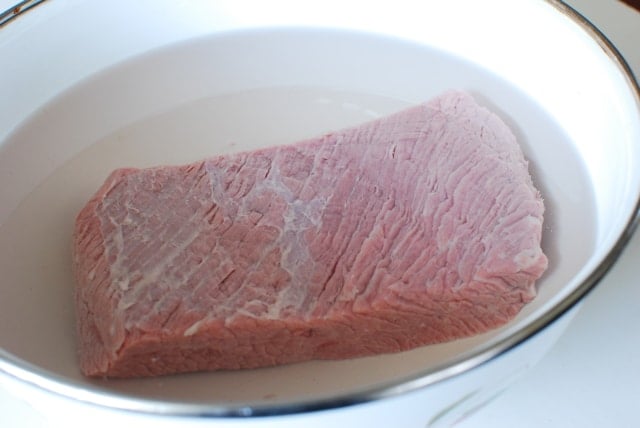
Parboiling
- Add the bones to a large stockpot (preferably 8 quarts or largewith enough cold water to cover. Bring it to a boil over high heat. Reduce the heat to medium, and boil for 5 minutes.
- Drain. Rinse the bones, and clean out the pot to remove any brown bits. Return the bones to the pot.
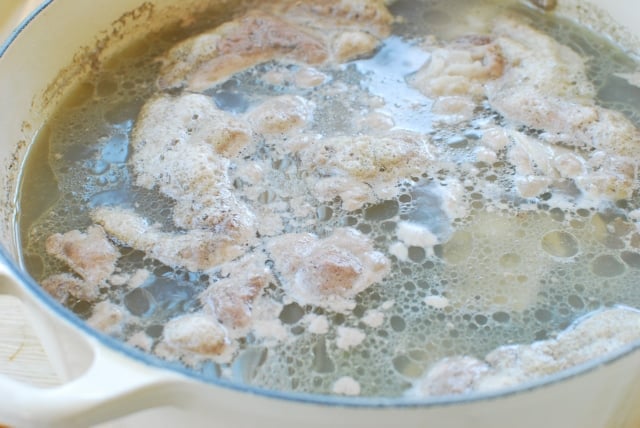
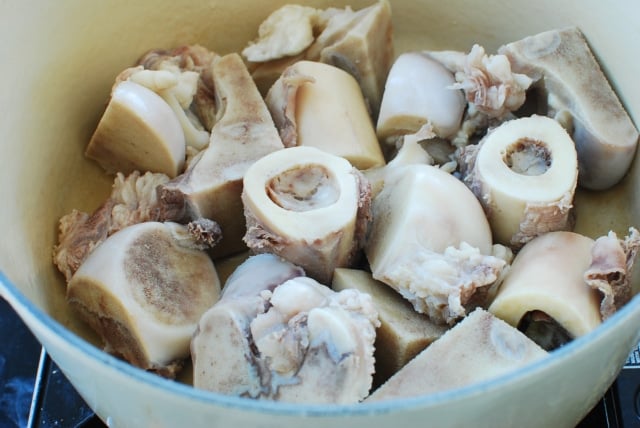
Boiling
- Fill up the pot with cold water, leaving a little room for boiling. Bring it to a boil over high heat, and reduce the heat to medium.
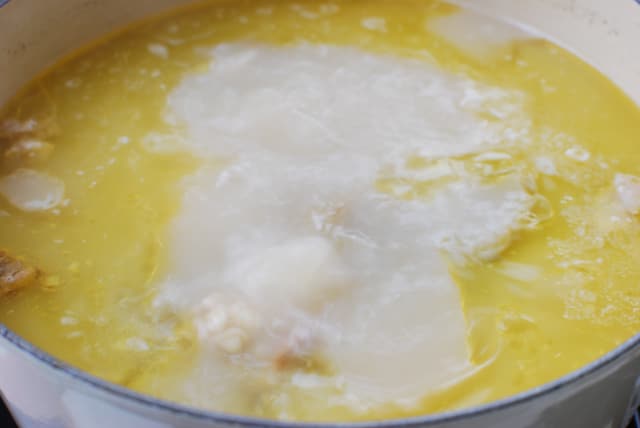
- Cover, and boil until the broth becomes rich and milky, about 5 hours (or longer if you have time). Adjust the heat a little, if necessary, to maintain a medium boil. Add more water (boiling hot water to maintain the cooking temperature) to cover the bones, once or twice while boiling. (This photo was taken at the 3-hour point.)
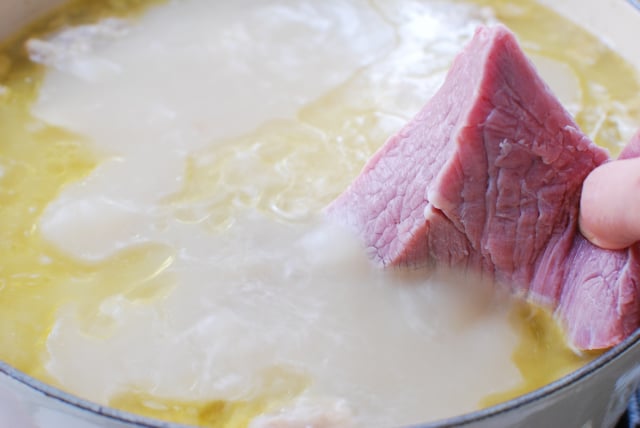
- Add the soaked meat (and more water if needed to submerge the meat). Boil until the meat is tender, for 1-1/2 to 2 hours. Remove the meat. Once cooled, thinly slice the meat to add to the soup when serving. Pour the broth through a colander into another pot or a large bowl to cool.
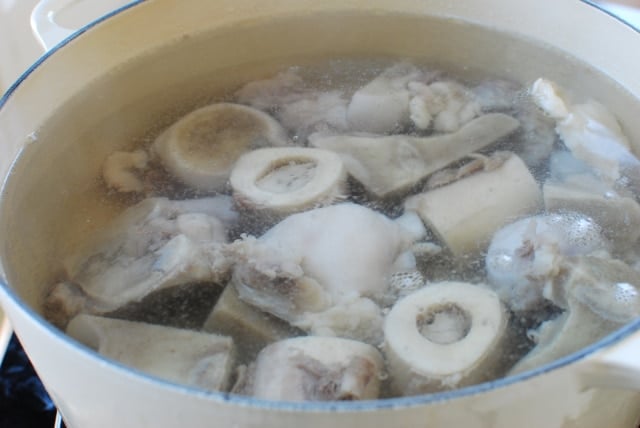
Optional step (highly recommended)
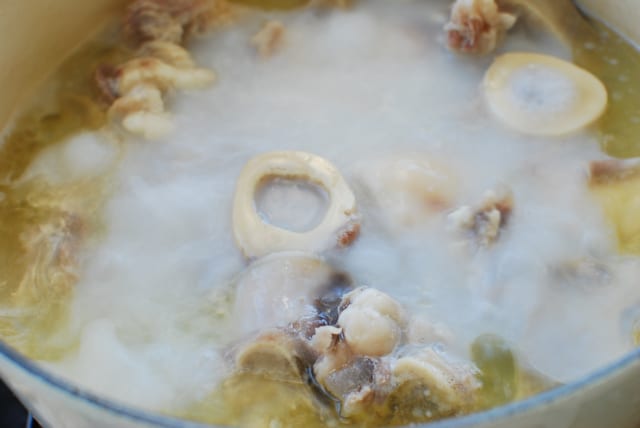
- Fill up the pot with fresh water again. Bring to a boil over high heat. Reduce the heat to medium. Cover, and boil until the broth becomes rich and milky, 3 - 5 hours. Reduce the heat a little, as necessary, to maintain a moderate boil. Add more water if the liquid reduces too quickly while boiling. Pour the milky broth through a colander into the pot or large bowl that contains the first batch. You can repeat this one more time, if desired. Just mix them all at the end to even it out.
Removing fat
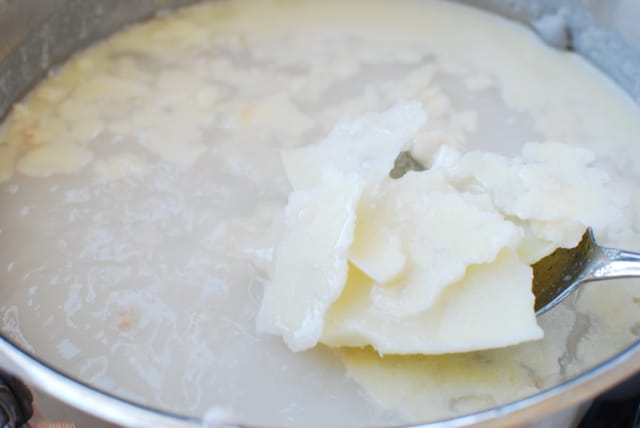
- You can use a fat separator to remove the fat, or keep it in the fridge (or out on the deck or balcony in the winteuntil the fat solidifies to spoon off the fat.
Serving
- To serve, place some rice and, if desired, noodles in a serving bowl, add the meat pieces, and then ladle the hot broth on top. Typically, chopped scallions, salt and pepper are served separately so each person can season to taste. Serve piping hot with kimchi.
Freezing leftover
- Freeze leftover broth in freezer bags.